Govindaraja Swamy Temple: History, Architecture, Rituals & Visiting Tips

Tirumala Balaji

Govindaraja Swamy Temple, a cherished shrine near Tirumala, offers devotees a glimpse of ancient lore, vibrant worship and serene surroundings.

Historical Roots and Legends

Traditionally, the temple is believed to have been established by a devotee of Lord Venkateswara who wished to honor Govinda, an epithet of Vishnu. Over centuries, saints and pilgrims have spoken of its sanctity, linking it to the larger Tirumala pilgrimage circuit.

Local lore recounts that the deity’s idol was discovered in a forest grove, and the site was consecrated by a revered acharya, reinforcing its spiritual lineage within the Vaishnavite tradition.

Architectural Features

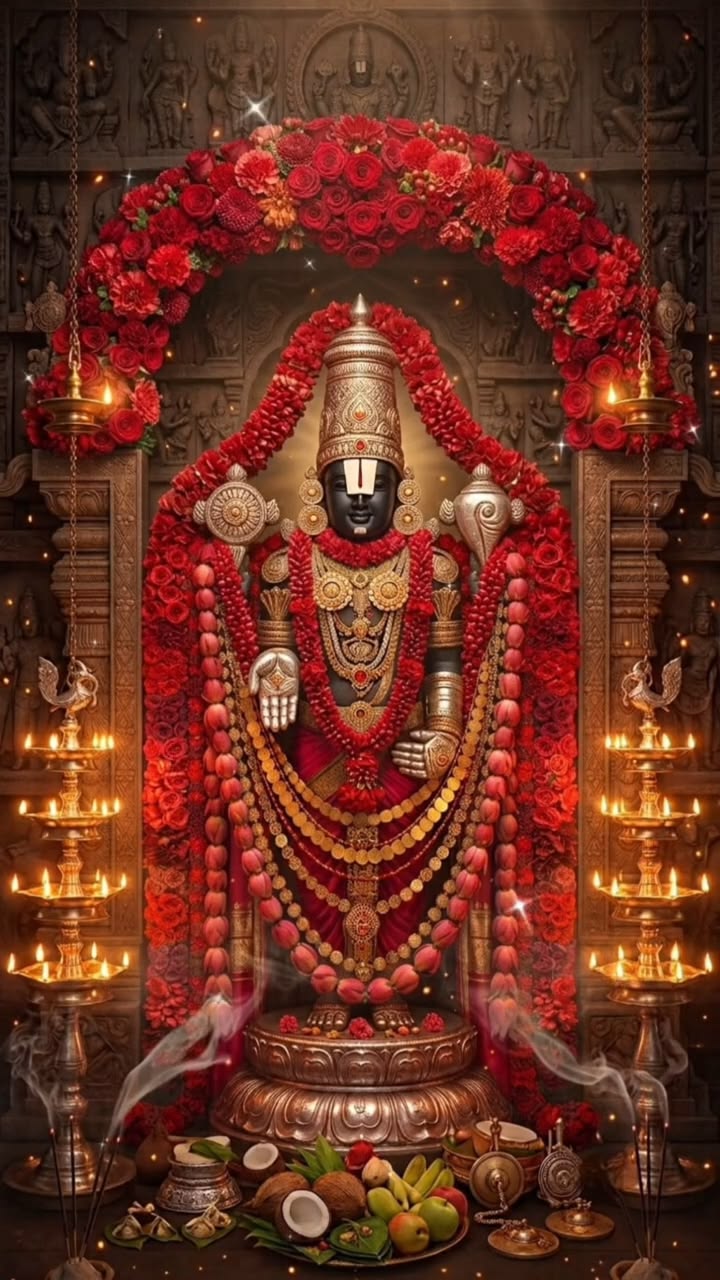
The temple showcases classic Dravidian style with a modest gopuram, intricately carved pillars and a sanctum sanctorum that houses a graceful stone image of Govindaraja. The sanctum’s inner walls are adorned with traditional motifs of lotus and conch.

A circumambulatory path (pradakshina) allows devotees to walk around the deity while chanting the names of Lord Vishnu, fostering a meditative ambience.

Daily Worship and Special Sevas

Devotees participate in the regular aarti, where oil lamps are lit and fragrant incense wafts through the sanctum. The temple follows the traditional Venkateswara calendar, offering sukhasnaana sevas on auspicious days.

Special observances such as Vaikunta Ekadashi and Govinda Jayanthi draw larger crowds, with devotees offering tulasi garlands, kumkum and fresh flowers as expressions of love.

Practical Visiting Tips for Pilgrims

When planning a visit, it is helpful to wear modest attire and carry a small offering like sandalwood paste or a simple garland. Many pilgrims combine the Govindaraja Swamy Temple with a visit to Tirumala, making it a spiritually enriching day trip.

The temple premises provide a quiet space for reflection; carrying a personal prayer book or chanting the Vishnu Sahasranama can deepen the experience.

Key takeaways
  • Govindaraja Swamy Temple holds deep historical ties to Lord Venkateswara.
  • Its Dravidian architecture reflects simplicity and devotion.
  • Daily aarti and special sevas enrich the pilgrim’s spiritual journey.

How far is Govindaraja Swamy Temple from Tirumala?

The temple is situated a short distance from the main Tirumala hills, making it a convenient stop for pilgrims traveling on foot or by local transport.

What offerings are appropriate at Govindaraja Swamy Temple?

Devotees commonly offer tulasi leaves, fresh flowers, sandalwood paste, and simple garlands. Traditional items like kumkum and incense are also welcomed.

Are there any special festivals celebrated here?

Yes, Govinda Jayanthi and Vaikunta Ekadashi are celebrated with elaborate rituals, special aartis and communal feasts, drawing devotees from across the region.

May your pilgrimage be filled with peace and divine blessings. Om Namo Venkatesaya.

Recommended for you

Pooja Samagri Kit

Amazon IndiaAmazon UKAmazon US

As an Amazon Associate I earn from qualifying purchases. Prices and availability may vary.

Darshan timings, tickets and announcements change often. Please check the official Tirumala Tirupati Devasthanams website, tirumala.org, before you travel. This is an independent devotional blog and is not affiliated with TTD.

© 2026 Original content written for this blog. Please do not copy or republish it without permission.
Harmony in the Family: Balaji Teachings for Peaceful Home Life

Tirumala Balaji

Harmony in the family, a core lesson from Tirumala Venkateswara, guides devotees to nurture love, respect and unity at home.

1. Seeing the Divine in Every Family Member

Balaji reminds us that each person carries a spark of the Supreme. When we recognize the divine presence in our spouse, children, and elders, criticism softens and compassion grows.

This simple shift transforms everyday disagreements into opportunities for service, just as a devotee offers seva to the Lord.

2. Practicing Daily Shared Devotion

A short family puja—lighting the lamp, chanting a mantra, or reciting a verse—creates a common rhythm that binds hearts.

Even a few minutes together, performed with sincerity, cultivates a sense of collective purpose and reminds everyone of the larger spiritual goal.

3. Balancing Duty (Dharma) and Affection

Traditional teachings stress the importance of performing one's responsibilities—be it as a parent, child, or sibling—without selfish desire.

When duties are carried out as offerings to Venkateswara, they become acts of love rather than burdens, easing tension and fostering mutual respect.

4. Resolving Conflicts with Patience and Prayer

Devotees often turn to the Lord for guidance during disputes. A calm breath, a silent prayer, and recalling Balaji’s compassion can cool heated emotions.

Traditional counsel suggests listening fully, speaking gently, and seeking a solution that honors both the individual and the family’s harmony.

Key takeaways
  • Recognize the divine spark in every family member.
  • Share brief, heartfelt devotional moments daily.
  • Perform duties as offerings, turning work into love.
  • Use patience, prayer, and respectful dialogue to settle conflicts.

How can I start a family puja without much experience?

Begin with a simple lamp lighting, a short mantra like 'Om Namo Venkatesaya', and a brief gratitude prayer; invite each member to share one thing they are thankful for.

What does Balaji teach about handling disagreements?

He encourages patience, listening without interruption, and offering the resolution as a service to the divine, remembering that every soul seeks peace.

Why is it important to view chores as offerings?

When daily tasks are performed with devotion, they become a form of seva, removing the feeling of burden and strengthening the spiritual bond within the household.

May the blessings of Lord Venkateswara bring everlasting peace to your home. Om Namo Venkatesaya.

Recommended for you

Pooja Thali Set

Amazon IndiaAmazon UKAmazon US

As an Amazon Associate I earn from qualifying purchases. Prices and availability may vary.

Darshan timings, tickets and announcements change often. Please check the official Tirumala Tirupati Devasthanams website, tirumala.org, before you travel. This is an independent devotional blog and is not affiliated with TTD.

© 2026 Original content written for this blog. Please do not copy or republish it without permission.
Vishnu at Tirumala: Names, Forms and Devotional Significance

Tirumala Balaji

Vishnu and Tirumala: exploring the divine names and forms of Lord Balaji, the beloved manifestation of Vishnu at the sacred hill.

The Many Names of Venkateswara

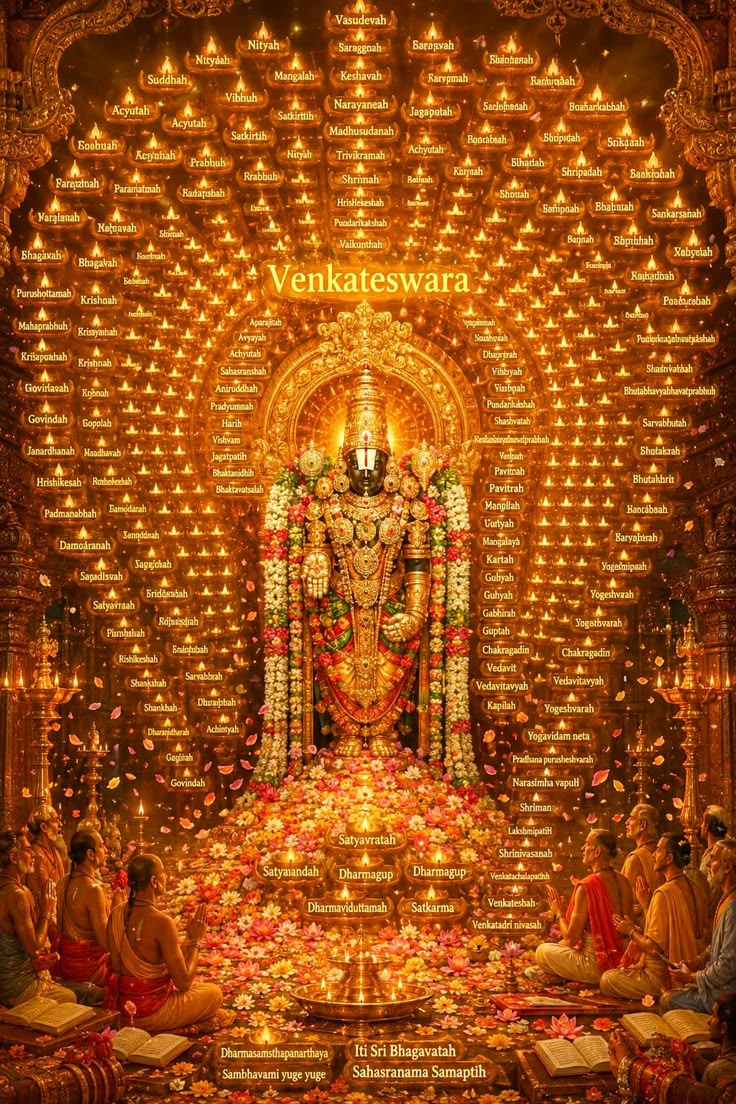
Devotees chant a long list of names for the deity, each reflecting a facet of his grace—Venkatesa, Srinivasa, Balaji, and Govinda are among the most common.

These names are found in the Tirumala Srimad Venkatesa Suprabhatam and other traditional prayers, reminding worshippers of his role as the preserver and protector.

Vishnu’s Cosmic Form and the Hill’s Sanctity

According to tradition, Lord Venkateswara is a manifestation of Vishnu who descended to earth to relieve the burdens of humanity.

The hill of Tirumala itself is considered a living embodiment of the divine, with the sacred waters of the Swami Pushkarini echoing Vishnu’s cosmic ocean.

Iconography: How the Form Reflects the Divine Attributes

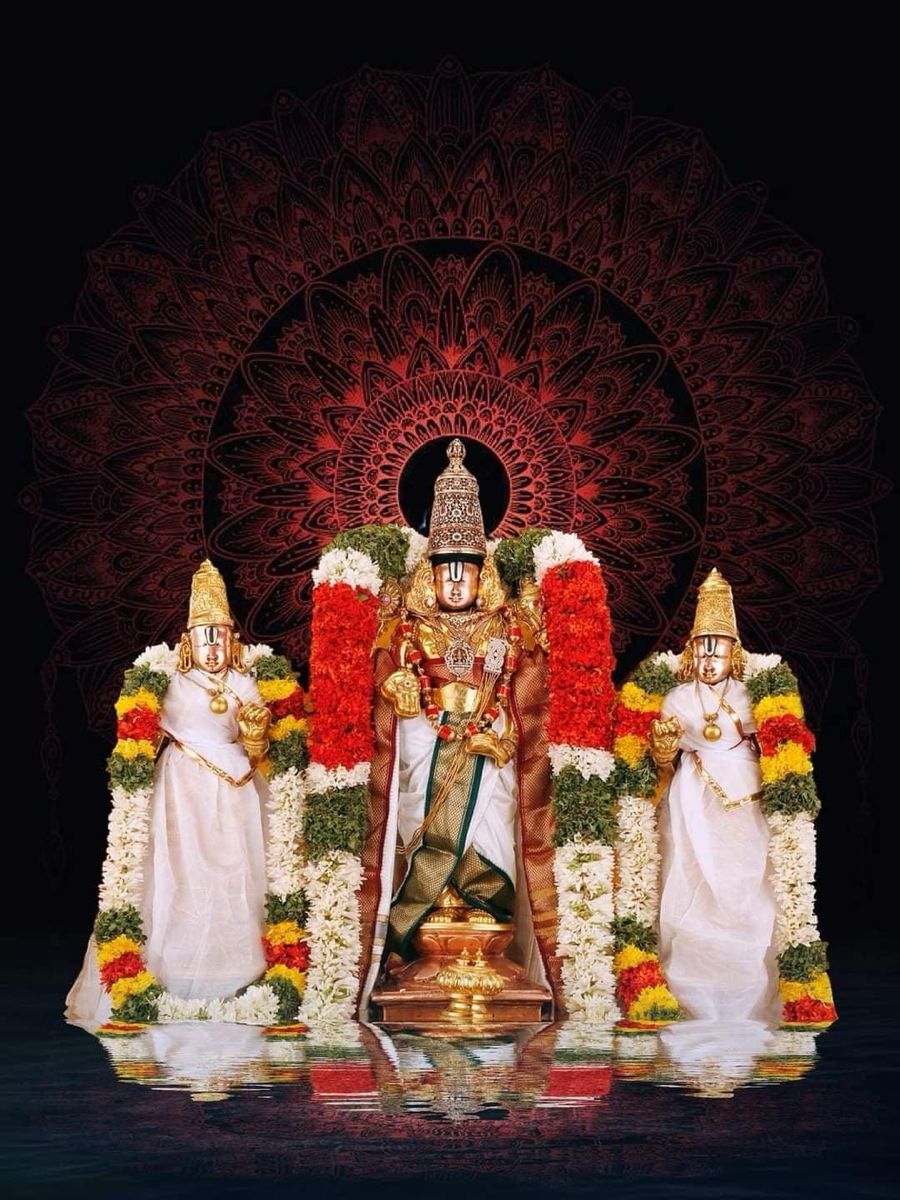
The idol in the sanctum shows Vishnu with four arms, holding the conch, discus, mace and lotus—symbols of sound, purpose, strength and purity.

The distinctive crown and the red sandal paste (namam) on his forehead signify his royal stature and his connection to the ancient Vedic tradition.

Living Devotion: How Names and Forms Guide Daily Practice

Devotees often begin the day by reciting the Venkatesa Suprabhatam, invoking the deity by his many names to awaken inner devotion.

Wearing a small tulsi mala, offering incense, and applying namam are practical ways to honor the form of Vishnu that resides at Tirumala.

Key takeaways
  • Venkateswara’s many names reflect his universal qualities.
  • The hill of Tirumala is viewed as a living manifestation of Vishnu.
  • Iconic symbols on the idol convey core aspects of divine power.

Why do devotees chant many names of Venkateswara?

Each name highlights a different attribute—protection, compassion, sovereignty—helping the devotee focus on specific blessings.

What is the significance of the four arms in the Tirumala idol?

The four arms hold the conch, discus, mace and lotus, representing sound, purpose, strength and purity, core qualities of Vishnu.

How can I incorporate Venkateswara’s forms into my home worship?

Use a small brass idol or photo, apply namam, offer sandal incense, and recite his names during daily prayers.

May the blessings of Lord Venkateswara illuminate your path. Om Namo Venkatesaya.

Recommended for you

Balaji Brass Idol

Amazon IndiaAmazon UKAmazon US

As an Amazon Associate I earn from qualifying purchases. Prices and availability may vary.

Darshan timings, tickets and announcements change often. Please check the official Tirumala Tirupati Devasthanams website, tirumala.org, before you travel. This is an independent devotional blog and is not affiliated with TTD.

© 2026 Original content written for this blog. Please do not copy or republish it without permission.

Vows and Their Fulfilment at Tirumala: Devotee Guide to Rituals

Tirumala Balaji

Vows and Their Fulfilment at Tirumala: Devotees learn how to make, observe, and honor personal vows (vratas) with sincere heart, offering gratitude to Lord Venkateswara.

Understanding the Spirit of a Vow (Vrata)

In the tradition of Tirumala, a vow is a promise made to Lord Venkateswara to undertake a specific act of devotion, abstinence, or service. It is rooted in gratitude, seeking blessings, or fulfilling a heartfelt desire. The sincerity of intention, rather than the grandeur of the act, determines the potency of the vow.

Devotees often choose a simple vow such as observing a fast, offering a specific number of flowers, or reciting a mantra daily. The key is consistency and devotion, which reflect the devotee’s trust in the Lord’s grace.

Common Types of Vows Observed at Tirumala

Typical vratas include the *Nitya Seva* (daily service), *Ekadashi* fast, *Sankalpam* of donating a certain amount of *prasadam*, and the *Kalyanotsavam* vow to sponsor a special puja for the deity. Many also undertake the *Brahmotsavam* pledge, promising to return annually after a fulfilled wish.

Another popular vow is the *Swarna Vratam*, where devotees promise to offer gold or silver items to the temple after a specific prayer is answered. While the material offering is optional, the promise itself reinforces the devotee’s devotion.

Steps to Fulfil a Vow Properly

1. **Declare the vow clearly** – Write it down or recite it aloud before the deity, stating the purpose and the promised offering.
2. **Observe the stipulated practice** – Whether it is a fast, a daily chant, or a charitable act, perform it with devotion and honesty.
3. **Record progress** – Many devotees keep a small journal, noting each day’s observance, which helps maintain focus and sincerity.
4. **Offer the promised *prasad* or *seva* at Tirumala** – When the vow period ends, present the offering at the sanctum or a designated *seva* counter, seeking the Lord’s blessing for completion.

It is customary to perform a concluding *prayers* called *Vratam Samapthi* at the temple, where the devotee thanks Lord Venkateswara and seeks forgiveness for any inadvertent lapses.

Maintaining Faith While the Vow Is Ongoing

Devotional songs such as the *Suprabhatam* and *Dandakam* are often recited to keep the mind centered on the Lord. Visiting the temple periodically, even if not for the full pilgrimage, reinforces the connection.

If circumstances prevent strict adherence, tradition advises the devotee to offer *dana* (charity) or *annadanam* (food to the needy) as a substitute, maintaining the spirit of the vow rather than its exact form.

Key takeaways
  • Vows are personal promises rooted in sincere devotion.
  • Common vratas include fasts, daily chants, and offering donations.
  • Follow clear steps: declare, observe, record, and fulfil the offering at Tirumala.

How long should a typical Venkateswara vow be observed?

Devotees choose durations ranging from a single day (such as Ekadashi) to several months, depending on the purpose and personal capacity.

Can I fulfil a vow if I cannot travel to Tirumala?

Yes, tradition permits offering the promised *prasad* or a charitable donation at any recognized Venkateswara shrine, while keeping the intention of presenting it at Tirumala.

What if I break my vow unintentionally?

The devotee should sincerely repent, perform *prayaschitta* (atonement) such as donating food or performing an extra *aarti*, and renew the vow with a clean heart.

May your vows be fulfilled with the Lord’s grace. Om Namo Venkatesaya.

Recommended for you

Puja Samagri Kit

Amazon IndiaAmazon UKAmazon US

As an Amazon Associate I earn from qualifying purchases. Prices and availability may vary.

Darshan timings, tickets and announcements change often. Please check the official Tirumala Tirupati Devasthanams website, tirumala.org, before you travel. This is an independent devotional blog and is not affiliated with TTD.

© 2026 Original content written for this blog. Please do not copy or republish it without permission.

Annamayya Keerthanas: Prayers and Mantras for Balaji Devotees

Tirumala Balaji

Annamayya Keerthanas are devotional songs that blend heartfelt prayers and powerful mantras, guiding Balaji devotees in daily worship and spiritual upliftment.

The Soulful Legacy of Annamayya

Annamacharya, the 15th‑century saint‑composer, is revered as the first great poet‑musician of the Venkateswara Temple. His verses, known as keerthanas, celebrate Lord Balaji’s grace, compassion, and divine play.

Devotees believe his compositions were directly inspired by the Lord, making each line a living prayer that resonates with the temple’s sacred atmosphere.

Structure of Annamayya Keerthanas

A typical Annamayya keerthana begins with a pallavi (refrain) that names the deity, followed by an anupallavi and several charanams that elaborate the theme.

The lyrical flow often incorporates traditional ragas, allowing the melody to enhance the mantra‑like potency of the words.

How to Use Keerthanas in Daily Prayer

Devotees can chant a selected keerthana during morning puja, while lighting the lamp, or before offering naivedyam. The rhythmic chanting steadies the mind and invites the Lord’s blessings.

It is customary to repeat the pallavi three or seven times, aligning the count with traditional auspicious numbers in Vaishnavism.

Connecting Mantras Within the Keerthanas

Many Annamayya songs embed well‑known mantras such as “Om Namo Venkatesaya” or “Sri Venkatesaya Namaha.” Chanting these embedded mantras amplifies the devotional effect.

When a devotee feels a particular need—health, prosperity, or inner peace—they may select a keerthana that highlights that aspect, trusting the combined power of song and mantra.

Key takeaways
  • Annamayya's keerthanas blend poetry, melody, and mantra.
  • Chanting them during puja deepens connection with Lord Balaji.
  • Embedded mantras like “Om Namo Venkatesaya” enhance spiritual benefits.

What is the best time to chant Annamayya keerthanas?

Morning, after the Suprabhatam, is traditionally favored, though devotees may chant at any time with sincere devotion.

Do I need musical training to recite these keertanas?

No formal training is required; simple melodic patterns are provided in many devotional books, and heartfelt chanting is what matters most.

Can I combine Annamayya keertanas with other Balaji prayers?

Yes, it is common to weave them with the Suprabhatam, Venkatesa Sahasranama, or personal namasmarana, creating a personalized worship flow.

May the divine vibrations of Annamayya’s songs fill your heart with peace and devotion. Om Namo Venkatesaya.

Recommended for you

Spiritual Books for Beginners

Amazon IndiaAmazon UKAmazon US

As an Amazon Associate I earn from qualifying purchases. Prices and availability may vary.

Darshan timings, tickets and announcements change often. Please check the official Tirumala Tirupati Devasthanams website, tirumala.org, before you travel. This is an independent devotional blog and is not affiliated with TTD.

© 2026 Original content written for this blog. Please do not copy or republish it without permission.
Legend of Varaha Swamy: How the Boar Avatar Saved Earth and Inspires Devotees

Tirumala Balaji

Legend of Varaha Swamy: how the boar avatar of Lord Vishnu rescued the earth, is recounted with devotion and reverence, guiding Balaji devotees in faith and service.

The Cosmic Crisis and Vishnu’s Boar Form

According to traditional Puranic narratives, the demon Hiranyaksha dragged the earth (Bhudevi) into the cosmic ocean, plunging the world into darkness. Devotees believe that Lord Vishnu responded to the prayers of the sages by incarnating as Varaha, a mighty boar, to restore balance.

Varaha’s massive tusks and powerful limbs symbolize strength and determination. The boar’s upward thrust represents the divine effort to lift the earth back to its rightful place.

The Battle Between Varaha and Hiranyaksha

In the legend, Varaha plunged into the ocean, confronting Hiranyaksha amidst roaring waves. The battle is described as a clash of cosmic forces, where Varaha’s roar echoed the mantra of protection.

Traditional accounts state that Varaha ultimately defeated the demon, lifting the earth upon his back and placing it safely on the lotus of the heavens. This act is celebrated as the triumph of dharma over adharma.

Varaha’s Connection to Tirumala Venkateswara

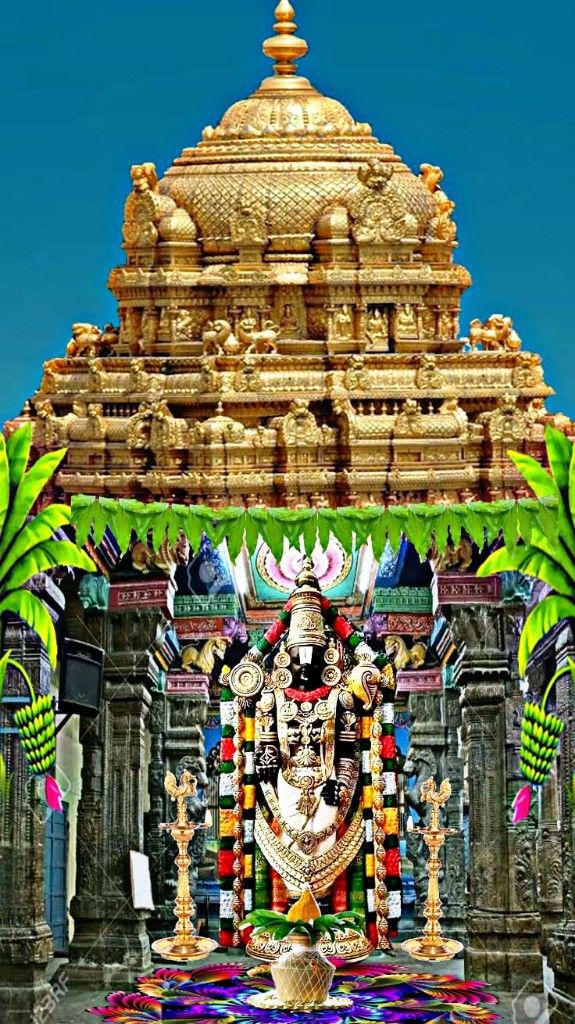
While the main shrine at Tirumala honors Lord Venkateswara, devotees recognize him as an incarnation of Vishnu, who has manifested as Varaha in the past. The legend reminds pilgrims that the same divine compassion that rescued the earth is present in the grace of Balaji.

Many devotees chant the Varaha mantra during their pilgrimage, seeking the same protective strength that lifted the world. The story also inspires the practice of offering earth‑derived items such as clay lamps, symbolizing gratitude for the planet’s restoration.

Living the Legend: Lessons for Modern Devotees

The Varaha legend encourages believers to stand firm against personal and societal challenges, just as the boar stood against chaos. It teaches that sincere prayer and righteous action can move even the heaviest burdens.

In daily life, devotees apply this teaching by engaging in seva (service), protecting the environment, and maintaining inner stability through meditation on Vishnu’s compassionate forms.

Key takeaways
  • Varaha avatar rescued the earth from the demon Hiranyaksha.
  • The story links directly to the compassionate energy of Lord Venkateswara.
  • Devotees draw strength from the legend to face challenges and protect the planet.

Why do devotees chant the Varaha mantra at Tirumala?

Chanting invokes the protective power of the boar avatar, reminding the heart of Vishnu’s ability to lift even the heaviest obstacles.

Is there a specific offering related to the Varaha story?

Devotees often present clay lamps or earth‑derived items as a symbolic gratitude for the earth’s salvation.

How can I apply Varaha’s courage in my daily life?

By practicing steadfast prayer, environmental stewardship, and selfless service, one mirrors Varaha’s resolve to protect and uplift.

May the strength of Varaha guide your heart and actions. Om Namo Venkatesaya.

Recommended for you

Pooja Thali Set

Amazon IndiaAmazon UKAmazon US

As an Amazon Associate I earn from qualifying purchases. Prices and availability may vary.

Darshan timings, tickets and announcements change often. Please check the official Tirumala Tirupati Devasthanams website, tirumala.org, before you travel. This is an independent devotional blog and is not affiliated with TTD.

© 2026 Original content written for this blog. Please do not copy or republish it without permission.

Saturdays at Tirumala: Devotion to Lord Venkateswara

Tirumala Balaji

Saturdays at Tirumala are a special time when devotees gather to honor Lord Venkateswara with prayers, bhajans, and heartfelt offerings.

Why Saturday Holds a Sacred Place

In the Vaishnavite tradition, Saturday (Shaniwar) is associated with Lord Shani, but many devotees also feel a deep connection to Lord Venkateswara on this day. It is believed that the Lord’s grace is especially accessible on Saturdays, making it an auspicious day for intensified worship.

Scriptural references and temple customs highlight the practice of offering special naivedyam and reciting the Venkatesa Suprabhatam on this day, inviting blessings for health and prosperity.

Typical Saturday Rituals at Tirumala

Devotees begin the morning with a bath, wear clean traditional attire, and adorn themselves with the sacred Tilak. They then proceed to the main sanctum to chant the Suprabhatam and perform the Archana.

Offering of laddu, fruits, and coconut is common, followed by the lighting of a brass diya and incense. Many also recite the Vishnu Sahasranama or listen to bhajans sung by temple priests.

Benefits Believed by Devotees

Traditional belief holds that Saturday worship removes obstacles, eases financial worries, and strengthens family bonds. The collective energy of thousands of prayers is thought to amplify the Lord’s benevolence.

Devotees often report a sense of inner calm and renewed faith after participating in the Saturday puja, attributing it to the Lord’s compassionate presence.

How to Observe Saturday Devotion at Home

Create a clean altar with a picture or small idol of Lord Venkateswara. Light a lamp, offer fresh flowers, and chant the Venkatesa Suprabhatam or any chosen mantra.

Prepare simple naivedyam such as fruits, sweet rice, or jaggery. Recite a short prayer for the well‑being of family and for the removal of obstacles, mirroring the temple’s Saturday spirit.

Key takeaways
  • Saturday worship is a cherished tradition at Tirumala.
  • Special prayers, lighting of lamps, and offerings are central.
  • Home observance can reflect temple practices for personal blessings.

What time should I start Saturday prayers?

Devotees usually begin early in the morning after a bath, often before sunrise, to align with the Suprabhatam chanting.

Can I perform Saturday rituals without visiting Tirumala?

Yes, setting up a simple altar at home and following the same sequence of lamp lighting, offering, and mantra chanting honors the tradition.

What offerings are most appropriate on Saturdays?

Fresh fruits, coconut, jaggery, and the famous Tirupati laddu are traditionally offered, along with a small portion of cooked rice or sweet dishes.

May the grace of Lord Venkateswara fill your heart with peace and devotion. Om Namo Venkatesaya.

Recommended for you

Pooja Thali Set

Amazon IndiaAmazon UKAmazon US

As an Amazon Associate I earn from qualifying purchases. Prices and availability may vary.

Darshan timings, tickets and announcements change often. Please check the official Tirumala Tirupati Devasthanams website, tirumala.org, before you travel. This is an independent devotional blog and is not affiliated with TTD.

© 2026 Original content written for this blog. Please do not copy or republish it without permission.

Elderly Pilgrims Guide: Safe Tirumala Pilgrimage Planning Tips

Tirumala Balaji

Elderly Pilgrims Guide: Safe Tirumala Pilgrimage Planning Tips offers practical advice for senior devotees to experience Tirumala with comfort, devotion, and peace.

Pre‑pilgrimage Health Preparations

Before setting out, seniors should consult their physician to ensure they are fit for travel and to obtain any necessary medicines. Carry a small medical kit with prescribed tablets, band‑aids, and a copy of prescriptions for easy reference.

Hydration is vital; start drinking warm water a few days before departure and keep a reusable bottle handy during the journey.

Choosing Comfortable Travel Options

Opt for direct train or flight services that reduce the number of transfers. When using road transport, select a reputable bus or car service that offers cushioned seats and minimal stops.

If possible, travel with a trusted family member or a senior‑friendly tour group that understands the pace and needs of older pilgrims.

Accommodations Tailored for Seniors

Book rooms on lower floors or those with elevator access to avoid climbing steep staircases. Many dharmasthanas provide senior‑friendly rooms with handrails and extra bedding.

Bring a lightweight blanket and a soft pillow for added comfort, and consider a small portable back‑support cushion for the long darshan queue.

Managing Darshan and Rituals Comfortably

Plan darshan during off‑peak hours, such as early morning or late evening, when crowds are thinner. Use the senior‑priority queues where available, and keep a small folding stool for brief rests.

Carry a lightweight, easy‑to‑open pouch for offerings like tulsi leaves or sandalwood paste, and keep the sacred Venkatesa Suprabhatam verses on a phone for quiet recitation when seated.

Key takeaways
  • Consult a doctor and pack a personal medical kit.
  • Choose direct, comfortable transport and travel with support.
  • Stay in senior‑friendly lodging with easy access.
  • Use off‑peak darshan times and senior queues for less strain.

What should seniors eat before the Tirumala journey?

Light, easily digestible foods such as khichdi, ripe bananas, and herbal teas are recommended, avoiding heavy, oily meals that can cause discomfort during travel.

Are there wheelchair services at Tirumala?

Yes, Tirumala provides wheelchair assistance at major entry points and near the main sanctum; devotees can request it through the information counters.

How can seniors keep their feet comfortable during long queues?

Wearing soft, breathable socks and using a small cushion or folded cloth under the heels can alleviate pressure; taking short seated breaks whenever possible also helps.

May Lord Venkateswara bless your journey with health and devotion. Om Namo Venkatesaya.

Recommended for you

Pooja Samagri Kit

Amazon IndiaAmazon UKAmazon US

As an Amazon Associate I earn from qualifying purchases. Prices and availability may vary.

Darshan timings, tickets and announcements change often. Please check the official Tirumala Tirupati Devasthanams website, tirumala.org, before you travel. This is an independent devotional blog and is not affiliated with TTD.

© 2026 Original content written for this blog. Please do not copy or republish it without permission.
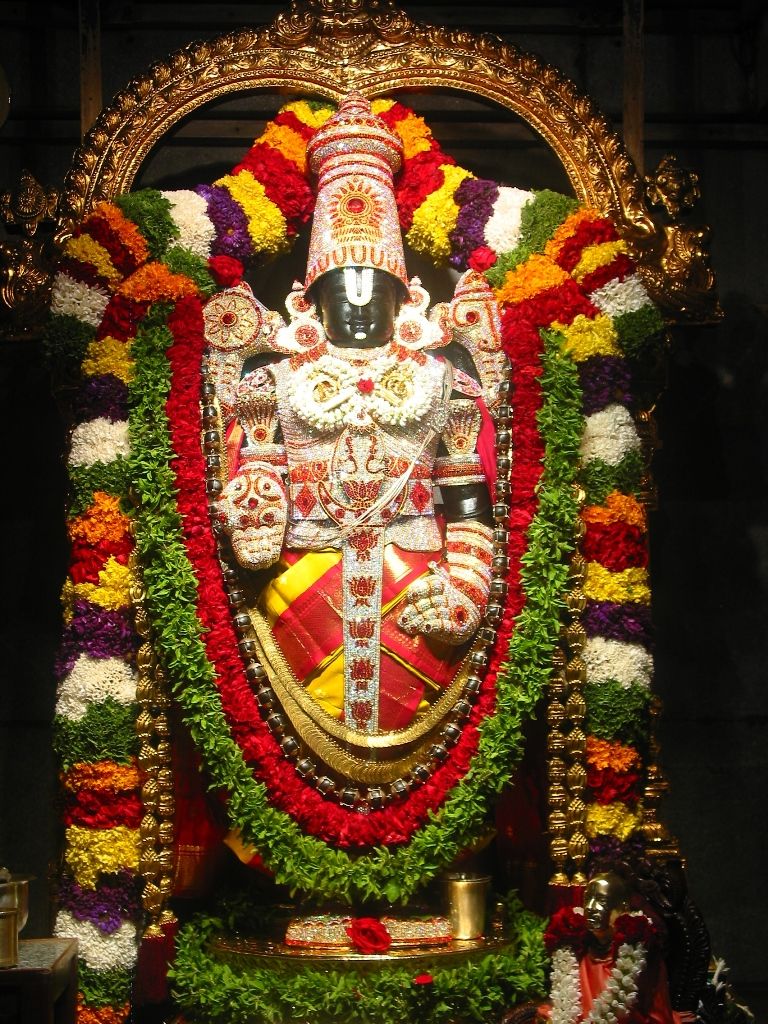
Annamacharya and Tirumala: Devotional Links and Legacy

Tirumala Balaji

Annamacharya and Tirumala share a timeless bond; his sacred verses echo in the hills, inspiring devotees who seek Balaji's grace.

Annamacharya’s Pilgrimage to Tirumala

According to tradition, the 15th‑century saint Annamacharya visited Tirumala after composing countless sankeerthanas for Lord Venkateswara. His journey is recounted in many hagiographies as a quest for divine inspiration.

Devotees believe that the hills welcomed him with fragrant winds, and the deity’s presence deepened his devotion, leading to the creation of many songs that are still sung today.

Songs Dedicated to Lord Venkateswara

Annamacharya composed over 32,000 keertanas, many of which praise the Lord of Tirumala. Classics such as “Bhavayami Gopalabalam” and “Venkatesa Suprabhatam” are regularly performed during temple rituals.

These compositions are not only musical offerings but also theological reflections that convey the saint’s love and reverence for Balaji.

Impact on Temple Traditions

The temple’s daily “Suprabhatam” and “Archana” often incorporate Annamacharya’s verses, preserving his legacy within the liturgy. Musicians in the temple service learn his ragas as part of their training.

Devotees visiting Tirumala frequently attend special “Annamacharya Sangeetham” concerts, where his songs are rendered in traditional styles.

Continuing the Devotional Flame

Modern singers and scholars continue to study and popularize Annamacharya’s works, ensuring that his devotion to Tirumala remains alive for future generations.

Many spiritual books and audio collections now include his keertanas, allowing devotees worldwide to experience the same bhakti that once moved the saint on the sacred hills.

Key takeaways
  • Annamacharya’s pilgrimage deepened his devotion to Balaji.
  • His keertanas form an integral part of Tirumala’s worship.
  • His musical legacy continues to inspire devotees worldwide.

Why do Annamacharya’s songs matter in Tirumala today?

They connect centuries‑old devotion with present‑day worship, enriching the temple’s spiritual atmosphere.

Can I learn Annamacharya’s keertanas as a devotee?

Yes; many music schools and online platforms teach his compositions in classical ragas.

How are his verses used during Tirumala rituals?

They are chanted during Suprabhatam, Archana, and special musical evenings, aligning the heart of devotees with the Lord’s grace.

May the divine melody of Annamacharya guide your steps on the sacred path. Om Namo Venkatesaya.

Recommended for you

Tirumala Balaji Pooja Book

Amazon IndiaAmazon UKAmazon US

As an Amazon Associate I earn from qualifying purchases. Prices and availability may vary.

Darshan timings, tickets and announcements change often. Please check the official Tirumala Tirupati Devasthanams website, tirumala.org, before you travel. This is an independent devotional blog and is not affiliated with TTD.

© 2026 Original content written for this blog. Please do not copy or republish it without permission.
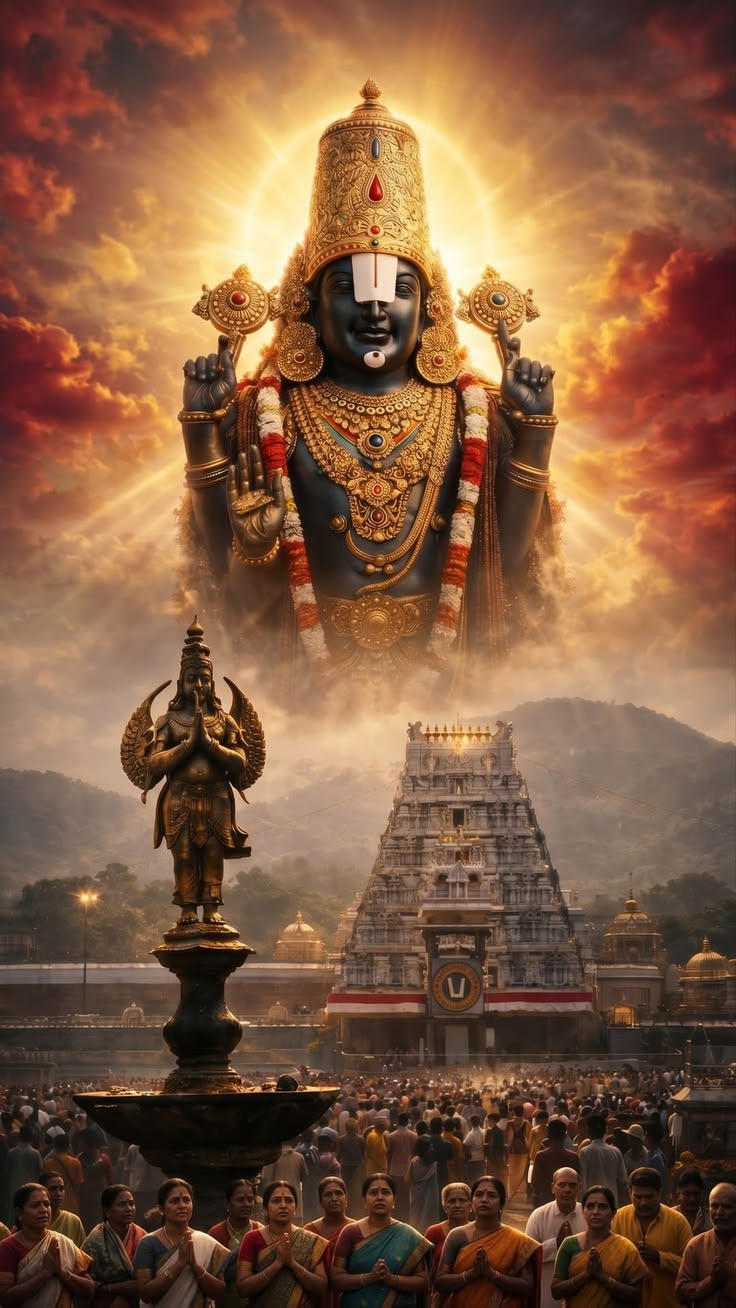
Lighting a Lamp at Home: Simple Steps for Devotional Bliss

Tirumala Balaji

Lighting a lamp at home is a cherished way to invite Venkateswara's presence, create a sacred atmosphere, and deepen daily devotion.

Why Lighting a Lamp Matters in Balaji Worship

The gentle flame symbolizes divine light that dispels darkness of the mind, a practice rooted in ancient Vedic tradition and upheld by devotees of Lord Venkateswara.

When the lamp is lit with pure intention, it becomes an offering of gratitude, aligning the heart with the blessings of Tirumala.

Choosing the Right Lamp and Materials

Traditional devotees prefer a brass diya or oil lamp stand, as brass is considered auspicious and conducts the sacred energy well.

Use cotton wicks for diya, ensuring they are clean and unbleached; natural oils such as sesame or ghee are favored for their purity.

Step‑by‑Step Guide to Lighting a Lamp at Home

1. Clean the lamp and the surrounding area, then place a small piece of sandalwood or camphor near the base as a purifier.

2. Fill the lamp with a modest amount of oil, add the cotton wick, and press it gently so it stands upright.

3. Light the wick while chanting a short mantra such as ‘Om Namo Venkatesaya’ or the Tirupati Suprabhatam verses.

4. Allow the flame to burn steadily for a few minutes, then offer a pinch of kumkum or a few drops of water as a symbolic gesture of devotion.

Incorporating the Lamp into Daily Routine

Many families light the lamp at sunrise and again at sunset, marking the beginning and end of the day with divine presence.

You may also light a lamp before reading sacred texts, performing a short aarti, or simply before meals to sanctify everyday actions.

Consistent practice creates a rhythm that reminds the heart of Lord Venkateswara’s constant guidance.

Key takeaways
  • Lighting a lamp invites divine light and calm.
  • Use brass diya, cotton wicks, and pure oil for traditional purity.
  • Integrate the lamp ritual into sunrise, sunset, and daily worship.

How often should I light a lamp at home?

Devotees commonly light a lamp twice daily—at dawn and dusk—but any regular schedule that fits your lifestyle is acceptable.

Can I use electric candles instead of oil lamps?

Traditional practice favors oil lamps for their symbolic purity, yet many modern households use electric candles for safety while maintaining the intention of offering light.

What mantra is best while lighting the lamp?

A simple, heartfelt ‘Om Namo Venkatesaya’ or a few verses from the Suprabhatam are widely used and accepted.

May the flame you kindle bring peace, devotion, and the blessings of Lord Venkateswara. Om Namo Venkatesaya.

Recommended for you

Brass Diya

Amazon IndiaAmazon UKAmazon US

As an Amazon Associate I earn from qualifying purchases. Prices and availability may vary.

Darshan timings, tickets and announcements change often. Please check the official Tirumala Tirupati Devasthanams website, tirumala.org, before you travel. This is an independent devotional blog and is not affiliated with TTD.

© 2026 Original content written for this blog. Please do not copy or republish it without permission.

Chandragiri Temple Near Tirumala: History, Highlights & Devotional Tips

Tirumala Balaji

Chandragiri Temple Near Tirumala: History, Highlights & Devotional Tips offers a concise guide to this historic hill shrine, its legends, and practical ways for Balaji devotees to include it in their pilgrimage.

Historical background of Chandragiri

Perched on the banks of the Swarnamukhi River, Chandragiri has been a seat of power since the medieval Vijayanagara era. Tradition holds that the hill was once a royal capital where kings worshipped Lord Venkateswara alongside their court deities.

The present stone temple, dedicated to Lord Shiva as Chandrasekhara, later incorporated a shrine for Lord Venkateswara, reflecting the close spiritual link devotees feel between this site and Tirumala.

Spiritual significance for Balaji devotees

Devotees believe that a visit to Chandragiri before ascending Tirumala enhances the sanctity of the journey, as the hill’s name itself means ‘moon‑lit hill’, symbolising the gentle illumination of divine grace.

Many pilgrims chant the Venkatesa Suprabhatam while circumambulating the temple, feeling that the echo of the verses across the hill’s stone walls deepens their devotion.

Key attractions and rituals

The main sanctum houses a beautifully carved Shiva lingam, while a separate niche contains a small, silver‑plated image of Lord Venkateswara. Daily puja follows the traditional schedule of alangaram, neivethanam and deepam.

Devotees often offer Tulsi leaves, sandalwood paste and a pinch of kumkum, mirroring the offerings made at Tirumala. The surrounding garden features ancient stone steps that lead to a viewpoint offering a panoramic vista of the surrounding plains.

Practical tips for a smooth visit

Because Chandragiri is close to Tirupati, it can be included in a day‑trip itinerary. Devotees are encouraged to wear modest attire, carry a small water bottle, and bring a personal puja thali for offering simple prayers.

Listening to the recorded chants of the Venkatesa Suprabhatam during the journey helps maintain a meditative mood. Respect the local customs, keep the premises clean, and remember to seek blessings from the temple priest before proceeding to Tirumala.

Key takeaways
  • Chandragiri’s historic link to Vijayanagara kings adds cultural depth to the pilgrimage.
  • The hill hosts both Shiva and Venkateswara shrines, making it spiritually relevant for Balaji devotees.
  • Simple offerings and chanting Venkatesa Suprabhatam enhance the devotional experience.

Can I visit Chandragiri on the same day as Tirumala?

Yes, many pilgrims include Chandragiri in a morning or afternoon visit before or after their main darshan at Tirumala, as the distance is short.

What offerings are appropriate at Chandragiri?

Traditional offerings such as Tulsi leaves, sandalwood paste, kumkum, and a small amount of rice or fruit are customary, mirroring the simple puja performed at Tirumala.

Is there any special dress code for the temple?

Modest clothing covering the shoulders and knees is preferred; many devotees also wear a dhoti or saree as a sign of respect.

May the blessings of Lord Venkateswara guide your steps. Om Namo Venkatesaya.

Recommended for you

Pooja Thali Set

Amazon IndiaAmazon UKAmazon US

As an Amazon Associate I earn from qualifying purchases. Prices and availability may vary.

Darshan timings, tickets and announcements change often. Please check the official Tirumala Tirupati Devasthanams website, tirumala.org, before you travel. This is an independent devotional blog and is not affiliated with TTD.

© 2026 Original content written for this blog. Please do not copy or republish it without permission.
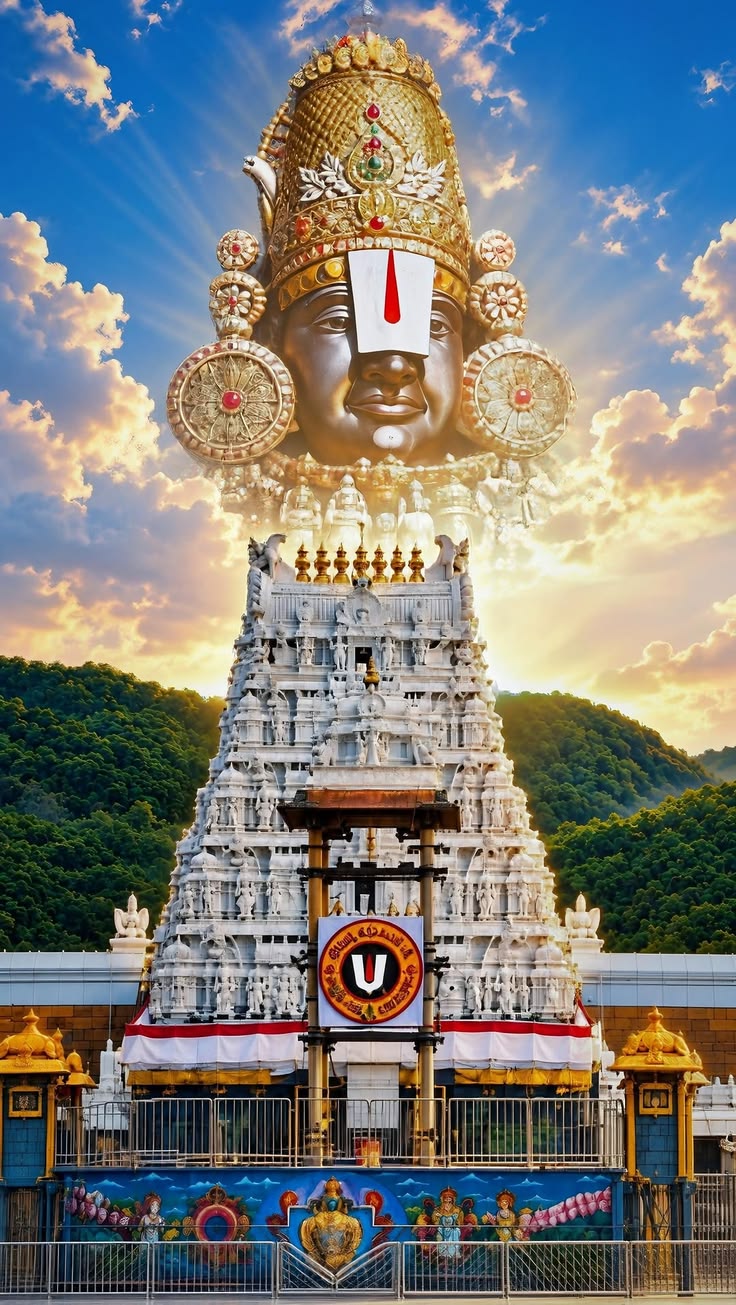
Honesty in Business: Venkateswara Teachings for Ethical Success

Tirumala Balaji

Honesty in business, guided by Venkateswara’s teachings, fosters trust, prosperity, and spiritual growth for devotees seeking ethical success.

Divine Principle of Satya in Commerce

The Lord Venkateswara, known as the embodiment of truth, inspires merchants to uphold satya (honesty) in every transaction. Traditional scriptures recount that truthful dealings please the deity and attract his blessings.

When a trader declares the true weight of goods or the genuine price, it reflects the inner purity that Balaji cherishes, creating a foundation of trust with customers.

Benefits of Truthful Practices

Devotees believe that honesty removes the karmic burden of deceit, leading to mental peace and steady growth. A business rooted in truth often experiences repeat clientele and word‑of‑mouth referrals.

Moreover, the feeling of integrity aligns the mind with dharma, making daily work feel like a form of seva (service) to the divine.

Practical Ways to Incorporate Honesty

Begin each day with a short prayer to Lord Venkateswara, seeking his guidance to remain truthful. Keep simple records, double‑check invoices, and avoid exaggeration in marketing.

When faced with a tempting shortcut, pause and recall the mantra “Satyaṁ vidhātṛ” (the truth is the creator). This mental cue helps maintain ethical standards.

Cultivating a Culture of Integrity

Lead by example: share stories of honest successes with staff, celebrate those who admit mistakes, and encourage open dialogue about ethical dilemmas.

Offering a small portion of profits to charity or to the Tirumala temple reinforces the belief that wealth earned honestly should be shared, further strengthening communal trust.

Key takeaways
  • Satya is a core Venkateswara value in commerce.
  • Honesty builds trust, reduces karmic weight, and attracts blessings.
  • Practical steps: prayer, transparent records, ethical leadership.

How can I start my business day with Venkateswara’s blessing?

Recite a short prayer such as “Om Namo Venkatesaya” and set an intention to speak only truth in all dealings that day.

What if a competitor offers lower prices by compromising quality?

Maintain your standards; devotees trust that Venkateswara rewards honest effort, and customers eventually recognize genuine value.

Can charitable donations reinforce business honesty?

Yes, offering a portion of earnings to the temple or a cause reflects gratitude and reminds everyone that wealth is a divine trust.

May the Lord’s grace illuminate your path. Om Namo Venkatesaya.

Recommended for you

Pooja Samagri Kit

Amazon IndiaAmazon UKAmazon US

As an Amazon Associate I earn from qualifying purchases. Prices and availability may vary.

Darshan timings, tickets and announcements change often. Please check the official Tirumala Tirupati Devasthanams website, tirumala.org, before you travel. This is an independent devotional blog and is not affiliated with TTD.

© 2026 Original content written for this blog. Please do not copy or republish it without permission.
Venkatachalapathi: Meaning, Forms & Devotional Significance

Tirumala Balaji

Venkatachalapathi, the beloved form of Lord Venkateswara, embodies the sacred hill, divine grace and the many aspects worshipped by devotees worldwide.

Origin of the Name Venkatachalapathi

The name combines ‘Venkata’, the hill on which the deity resides, and ‘Achala’, meaning immovable, signifying the eternal presence of the Lord on the sacred mountain.

Traditional lore tells that the hill itself is a manifestation of the Lord’s body, making the name a reminder that the divine is both a place and a presence.

Primary Forms of Venkatachalapathi

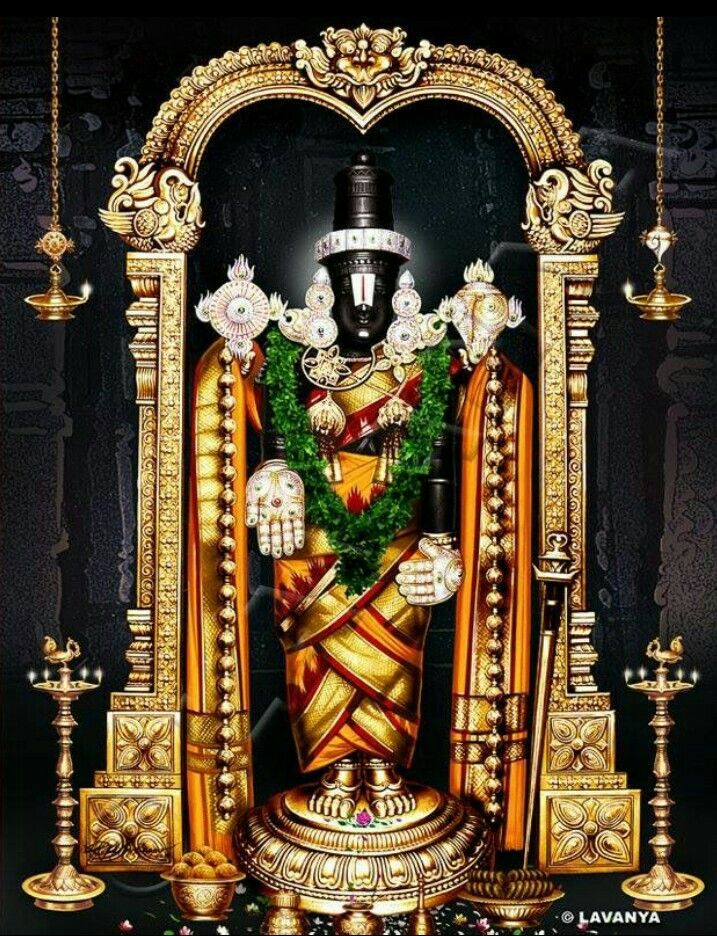
In the Tirumala shrine, Venkatachalapathi is seen as a standing deity with four arms, holding the shankha, chakra, lotus and a mace, representing protection, righteousness, purity and strength.

Devotees also honor a smaller ‘Utsava Murti’ used during processions, which reflects the same attributes but in a portable form for festivals.

Spiritual Symbolism Behind the Forms

Each attribute of Venkatachalapathi carries deep symbolism: the shankha (conch) awakens devotion, the chakra (discus) cuts through ignorance, the lotus stands for spiritual unfolding, and the mace signifies divine power.

The posture of standing on a lotus pedestal reminds devotees that the Lord is rooted in compassion while remaining beyond worldly fluctuations.

How Devotees Connect with Venkatachalapathi

Daily rituals such as the Suprabhatam, offering of Naivedyam, and chanting of the Lord’s names help devotees feel the Lord’s presence in their hearts.

Simple home practices like lighting a lamp before a Venkateswara photo or small brass idol and reciting the name Venkatachalapathi foster a personal bond with the divine.

Key takeaways
  • The name Venkatachalapathi links the deity to the sacred hill.
  • Four‑armed form symbolizes protection, purity, wisdom and power.
  • Daily worship and simple home rituals deepen the personal connection.

What does Venkatachalapathi mean in simple terms?

It means ‘the Lord who dwells on the immovable Venkata hill’, reminding devotees of his eternal presence.

Why are there multiple forms of Venkateswara?

Different forms serve specific ritual purposes— the main idol for daily worship and the Utsava Murti for festivals—yet each reflects the same divine qualities.

How can I worship Venkatachalapathi at home?

Set up a clean altar, place a small brass idol or photo, light a lamp, offer flowers and chant his name with devotion.

May the blessings of Venkatachalapathi be ever upon you. Om Namo Venkatesaya.

Recommended for you

Balaji Brass Idol

Amazon IndiaAmazon UKAmazon US

As an Amazon Associate I earn from qualifying purchases. Prices and availability may vary.

Darshan timings, tickets and announcements change often. Please check the official Tirumala Tirupati Devasthanams website, tirumala.org, before you travel. This is an independent devotional blog and is not affiliated with TTD.

© 2026 Original content written for this blog. Please do not copy or republish it without permission.
Lighting Lamps in Tirumala: Rituals & Offerings Explained

Tirumala Balaji

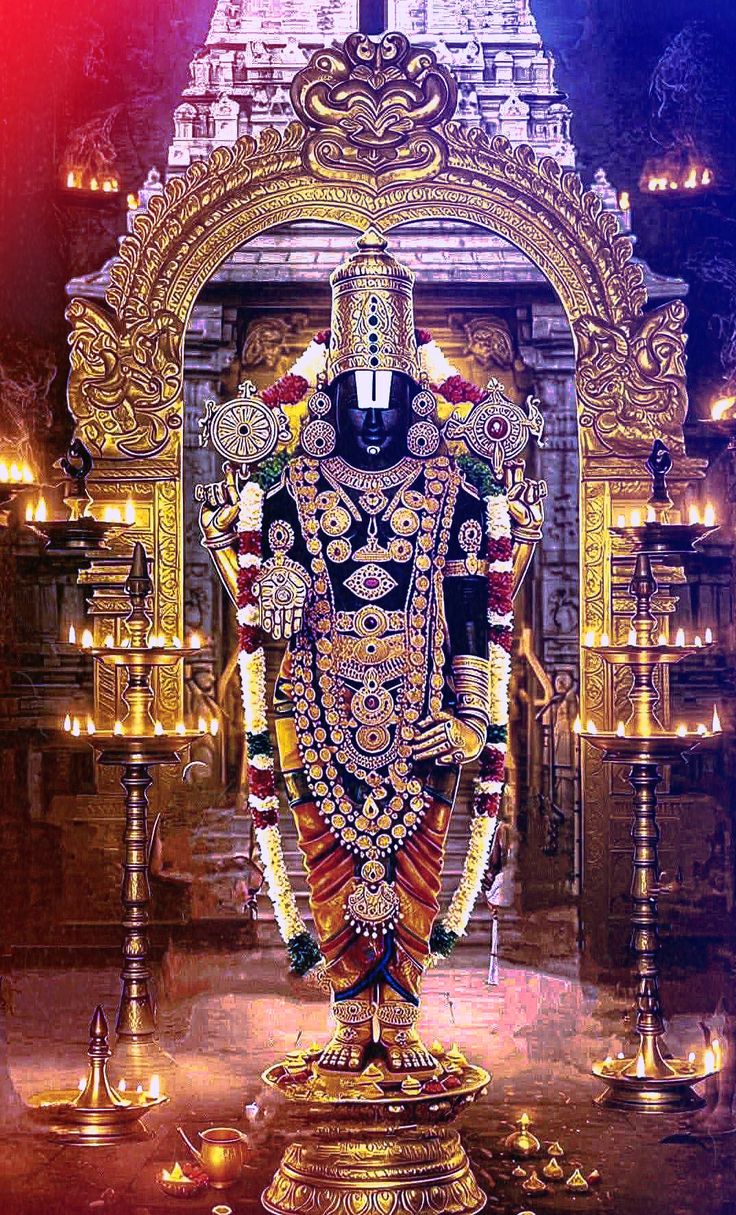
Lighting lamps (deepam) in Tirumala is a cherished offering that invites divine grace, purifies the surroundings, and awakens devotion among Balaji worshippers.

Spiritual significance of lighting a lamp

Devotees believe that a lit lamp symbolizes the presence of Lord Venkateswara’s light dispelling darkness of ignorance. The gentle flame is an invitation for the deity to reside in the heart of the worshipper.

Traditional hymns such as the “Deepa Stotra” are often chanted while offering the lamp, reinforcing the connection between sound, sight, and devotion.

How to light a lamp correctly

Begin by cleansing the lamp and the surrounding area with water or a few drops of sandalwood paste. Place a fresh cotton wick, ensuring it stands upright and is trimmed to about two inches.

Pour a modest amount of ghee or oil, then light the wick with a match or a small piece of camphor. Allow the flame to settle before proceeding with prayers.

Materials traditionally used

Devotees commonly use brass or bronze diyas, as metal is considered pure and long‑lasting. Ghee, clarified butter, is preferred for its aromatic quality, though oil is also acceptable.

Cotton wicks, camphor, and a small piece of sandalwood paste are kept handy. Some families also place a few rose petals or a sprig of tulsi around the lamp as an additional offering.

Timing, etiquette and communal aspects

Lighting a lamp is especially auspicious during early morning (Suprabhatam) and evening (Sandhya) prayers. In the temple, devotees line up to present their lamps at the main sanctum, creating a sea of flickering lights.

While offering, maintain a calm demeanor, keep the flame steady, and refrain from speaking loudly. After the prayers, the lamp is gently extinguished, allowing the remaining ash to be collected as a sacred residue.

Key takeaways
  • Lighting a lamp represents inviting divine light and removing spiritual darkness.
  • Use a brass diya, fresh cotton wick, and ghee or oil for authentic offerings.
  • Perform the ritual with reverence during Suprabhatam or Sandhya, and keep the environment serene.

Why is ghee preferred over other oils for the lamp?

Ghee is considered pure and its fragrance is believed to please Lord Venkateswara, enhancing the sanctity of the offering.

Can I use a modern electric lamp for the ritual?

Traditional practice favors an oil or ghee lamp, but many devotees use electric lamps at home for safety, while still chanting the same prayers.

How many lamps should I light during a pilgrimage?

There is no fixed number; devotees light as many lamps as they feel moved to offer, often one for each prayer or personal vow.

May the divine flame guide your heart always. Om Namo Venkatesaya.

Recommended for you

Brass Diya

Amazon IndiaAmazon UKAmazon US

As an Amazon Associate I earn from qualifying purchases. Prices and availability may vary.

Darshan timings, tickets and announcements change often. Please check the official Tirumala Tirupati Devasthanams website, tirumala.org, before you travel. This is an independent devotional blog and is not affiliated with TTD.

© 2026 Original content written for this blog. Please do not copy or republish it without permission.
Vishnu Sahasranamam: Meaning, Benefits & How Devotees Chant It

Tirumala Balaji

Vishnu Sahasranamam is a revered hymn of a thousand names of Lord Vishnu, cherished by Balaji devotees for its spiritual depth and daily chanting benefits.

Understanding the Vishnu Sahasranamam

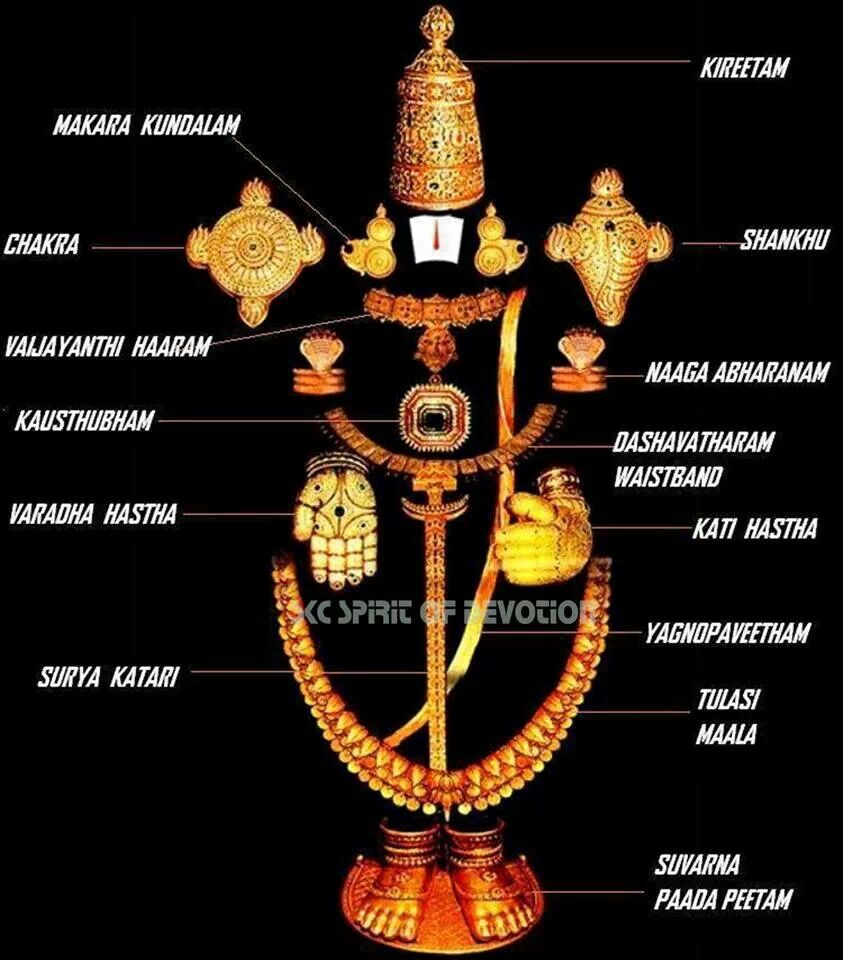
The Vishnu Sahasranamam, found in the Mahabharata, lists a thousand glorious names of the Supreme Lord, each reflecting an aspect of His divine play, compassion, and protection.

Traditionally, it is recited in Sanskrit, but many devotees also chant transliterated versions to connect more intimately with the meanings.

Spiritual Benefits of Daily Recitation

Regular chanting is believed to purify the mind, enhance concentration, and invoke the Lord's blessings for health, prosperity, and inner peace.

Devotees often experience a sense of calm and protection, especially when chanting during challenging times.

How to Chant Properly

Begin by taking a few breaths, offering a small prayer to Lord Venkateswara, and lighting a lamp or incense.

Recite the verses slowly, focusing on the meaning of each name; using a rosary (mala) of 108 beads can help maintain rhythm.

Incorporating the Hymn into Daily Worship

Many families include the Vishnu Sahasranamam in their morning or evening puja, often after the Suprabhatam and before offering naivedyam.

It can also be chanted collectively in temples, community gatherings, or virtual devotional circles, fostering unity among believers.

Key takeaways
  • The Vishnu Sahasranamam contains 1,000 divine names of Lord Vishnu.
  • Daily chanting purifies the mind and invites blessings.
  • Use a mala, lamp, or incense to enhance focus during recitation.

What is the origin of Vishnu Sahasranamam?

It appears in the Anushasana Parva of the Mahabharata, where Bhishma recites it to Yudhishthira on the battlefield.

Can I chant Vishnu Sahasranamam in translation?

Yes, many devotees chant transliterated or meaning-based versions to grasp the essence of each name while preserving reverence.

How often should I recite the hymn?

Even a single daily session, preferably in the morning or evening, is beneficial; some devotees repeat it multiple times for deeper effect.

May the divine blessings of Lord Venkateswara illuminate your path. Om Namo Venkatesaya.

Recommended for you

Vishnu Sahasranama Book

Amazon IndiaAmazon UKAmazon US

As an Amazon Associate I earn from qualifying purchases. Prices and availability may vary.

Darshan timings, tickets and announcements change often. Please check the official Tirumala Tirupati Devasthanams website, tirumala.org, before you travel. This is an independent devotional blog and is not affiliated with TTD.

© 2026 Original content written for this blog. Please do not copy or republish it without permission.
Legend of the Seshachalam Hills: Sacred Origins of Tirumala

Tirumala Balaji

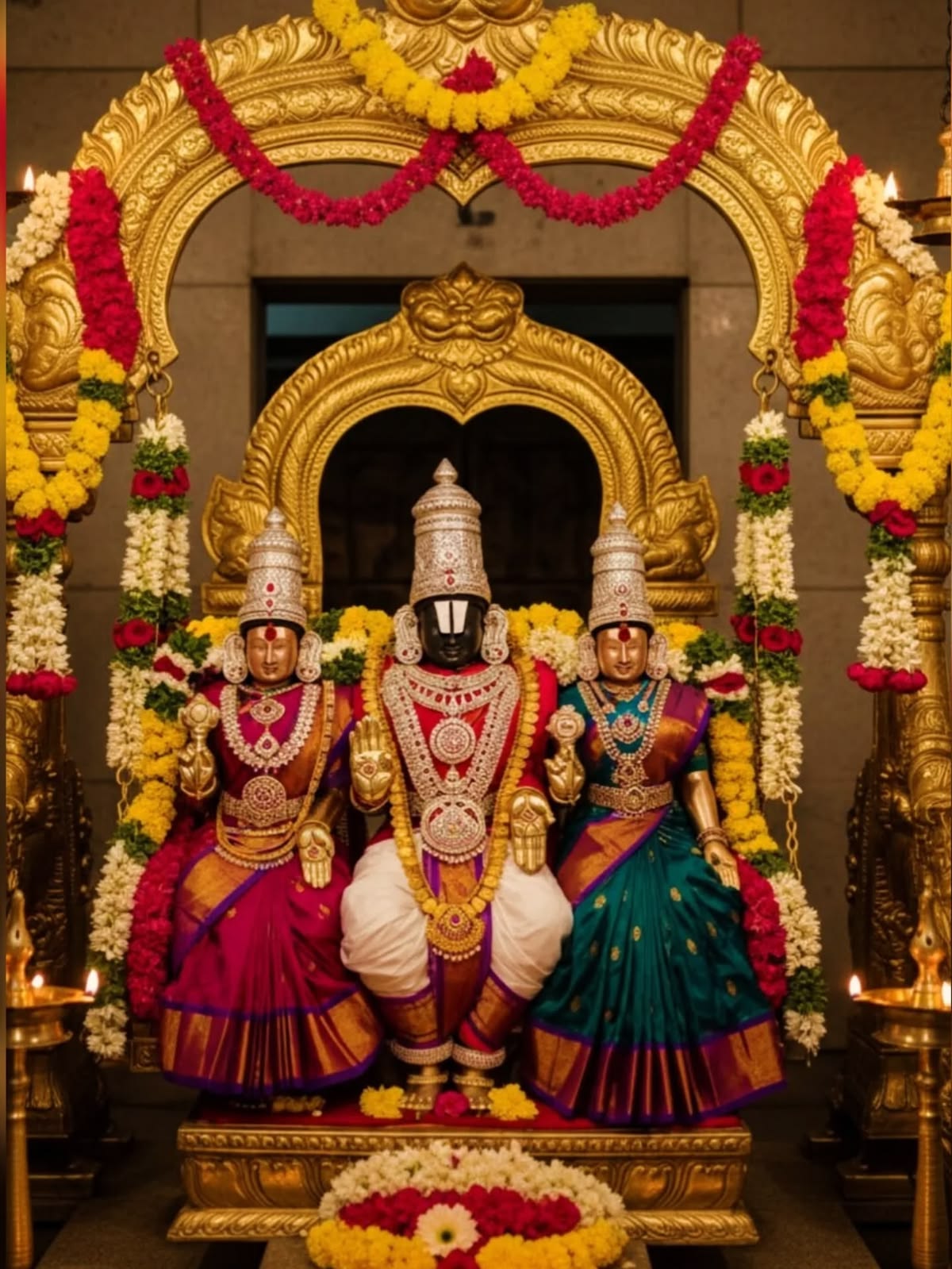
Legend of the Seshachalam hills explains how these sacred peaks became the abode of Lord Venkateswara, inspiring devotion across generations.

Divine Birth of the Hills

According to traditional lore, the Seshachalam range was formed when the divine serpent Shesha, who supports Lord Vishnu, curled his massive body and rose from the earth, creating a series of rolling hills that later became known as the Seshachalam.

Devotees believe that each hill represents a segment of Shesha’s body, symbolizing the support and protection offered by the Lord to all creation.

The Appearance of Lord Venkateswara

It is told that Lord Vishnu, pleased with the sanctity of the hills, manifested Himself as Venkateswara on the highest peak, Tirumala, to bless humanity with compassion and prosperity.

The legend says that the Lord chose this spot because the hills already resonated with divine energy, making it an ideal abode for His earthly presence.

The Sacred Stones and Their Stories

Devotees recount that the stone from which the idol of Venkateswara was carved emerged from a miraculous discovery in the hills, guided by divine signs and the prayers of sages.

This stone is believed to retain the vibrations of Shesha’s coiled form, infusing the idol with perpetual spiritual power.

Pilgrimage and the Living Legend

Every pilgrim who climbs the Seshachalam hills walks the path of ancient sages, feeling the presence of Shesha and the blessings of Venkateswara with each step.

The hills continue to inspire hymns, chants, and heartfelt prayers, keeping the legend alive in the hearts of devotees worldwide.

Key takeaways
  • The Seshachalam hills are believed to be formed from the divine serpent Shesha.
  • Lord Venkateswara chose Tirumala as His earthly abode because of the hills' sacred energy.
  • Pilgrimage on these hills connects devotees with ancient legends and divine blessings.

Why are the Seshachalam hills considered holy?

Because they are traditionally viewed as the body of Shesha, the divine serpent that supports Lord Vishnu, and the site where Venkateswara manifested.

What is the significance of the stone used for the Venkateswara idol?

Devotees believe the stone was revealed by divine signs within the hills and carries the spiritual vibrations of Shesha.

How can a pilgrim experience the legend during the trek?

By walking the traditional routes, chanting prayers, and reflecting on the stories of Shesha and Venkateswara, pilgrims feel a deep connection to the sacred narrative.

Om Namo Venkatesaya.

Recommended for you

Pooja Samagri Kit

Amazon IndiaAmazon UKAmazon US

As an Amazon Associate I earn from qualifying purchases. Prices and availability may vary.

Darshan timings, tickets and announcements change often. Please check the official Tirumala Tirupati Devasthanams website, tirumala.org, before you travel. This is an independent devotional blog and is not affiliated with TTD.

© 2026 Original content written for this blog. Please do not copy or republish it without permission.

Kalyanotsavam Festival at Tirumala: Significance, Rituals & Devotee Guide

Tirumala Balaji

Kalyanotsavam is the grand wedding ceremony of Lord Venkateswara at Tirumala, celebrated with elaborate rituals that draw millions of devotees seeking blessings of divine union.

What is Kalyanotsavam?

Kalyanotsavam, meaning "wedding ceremony," is performed once a year to reenact the celestial marriage of Lord Venkateswara and Goddess Lakshmi. The event symbolizes the harmony of material prosperity and spiritual devotion.

According to tradition, the ritual reflects the ancient belief that the deity’s blessings are most potent when he is in a state of divine bliss.

Key Rituals During the Festival

The ceremony begins with the sacred bathing (snana) of the deity, followed by the adornment of new silk garments and gold ornaments. Devotees witness the Lord being seated on a beautifully decorated mandap.

A priest recites Vedic mantras while the divine couple exchanges garlands, and the sacred fire (homa) is lit to sanctify the union. The ritual concludes with the distribution of prasadam, often sweet rice and jaggery.

Spiritual Benefits for Devotees

Participating in Kalyanotsavam is believed to remove obstacles in marital life and enhance familial harmony. Devotees also seek the Lord’s grace for prosperity, health, and spiritual progress.

Traditional hymns such as the "Sri Venkateswara Suprabhatam" are chanted, creating an atmosphere of devotion that deepens personal connection with the deity.

How to Experience Kalyanotsavam as a Devotee

Arriving early ensures a good view of the mandap and the chance to offer flowers and incense. Devotees often carry a small puja thali with sandalwood paste, kumkum, and a fresh flower as a token of reverence.

While inside the temple, maintain a calm and respectful demeanor, and listen attentively to the priest’s explanations of each rite. After the ceremony, taking the prasadam with gratitude is considered auspicious.

Key takeaways
  • Kalyanotsavam reenacts the divine marriage of Lord Venkateswara and Lakshmi.
  • The festival includes bathing, dressing, garland exchange, and sacred fire rituals.
  • Devotees seek blessings for marital harmony, prosperity, and spiritual growth.

What is the best time to attend Kalyanotsavam?

The ceremony is traditionally performed during the month of Phalguna (usually February–March). Arriving before the main rituals begin allows devotees to experience the full sequence.

Can I participate in the rituals as a visitor?

Visitors may offer flowers, incense, and a small puja thali at the designated offering area, but the core rites are performed by the temple priests.

What should I wear for the Kalyanotsavam?

Modest, clean clothing in traditional colors such as white or saffron is recommended. Many devotees also wear a simple tilak on the forehead as a sign of respect.

May the divine blessings of Lord Venkateswara fill your heart with love and peace. Om Namo Venkatesaya.

Recommended for you

Pooja Thali Set

Amazon IndiaAmazon UKAmazon US

As an Amazon Associate I earn from qualifying purchases. Prices and availability may vary.

Darshan timings, tickets and announcements change often. Please check the official Tirumala Tirupati Devasthanams website, tirumala.org, before you travel. This is an independent devotional blog and is not affiliated with TTD.

© 2026 Original content written for this blog. Please do not copy or republish it without permission.

Family Pilgrimage to Tirumala: Practical Travel Tips for Devotees

Tirumala Balaji

Family Pilgrimage to Tirumala: Practical Travel Tips for Devotees offers easy guidance for parents planning a smooth, heartfelt journey to the sacred hills of Balaji.

Plan Early and Choose Comfortable Accommodation

Book lodging well in advance, especially if you are traveling during a festive season. Many families prefer dharmashalas or guest houses that provide basic amenities and a quiet environment for children to rest.

Look for facilities that offer family rooms, attached bathrooms, and easy access to the main pilgrim routes. Staying closer to the main road reduces the daily commute and helps little ones stay energized for darshan.

Pack Light, Pack Smart for Kids

Carry a small backpack for each child with essentials: a change of clothes, a lightweight blanket, snacks, and a refillable water bottle. Sun protection—hats, sunglasses, and sunscreen—are crucial as the hill can become quite hot.

A compact first‑aid kit with band‑aids, antiseptic wipes, and any prescribed medicines gives peace of mind. Remember that many stalls sell fresh fruit, but having familiar snacks helps avoid meltdowns.

Timing Your Darshan and Managing the Crowd

Traditional wisdom suggests early morning darshan, when the air is fresh and the crowd is relatively thinner. Families with young children often find the 5 am to 7 am window more manageable.

If you prefer a later slot, consider the evening darshan after sunset; the lights of the temple create a serene atmosphere. Keep a small hand‑held fan or a damp cloth to keep children cool while waiting.

Stay Connected and Respect Sacred Etiquette

Share your itinerary with a trusted relative and keep a charged mobile phone for emergencies. Many devotees carry a portable charger to ensure the phone remains functional throughout the day.

Teach children simple temple etiquette: remove shoes before entering the sanctum, speak softly, and keep personal belongings tidy. A small devotional item like a Tulsi mala can help children feel part of the spiritual experience.

Key takeaways
  • Book family‑friendly accommodation early.
  • Pack light, include essentials for children.
  • Choose early morning or evening darshan to avoid crowds.
  • Maintain safety, stay connected, and teach temple etiquette.

What is the best time of year for families to visit Tirumala?

Many devotees find the months of October to February pleasant, as the weather is cooler and the pilgrim flow is moderate, making it easier for children.

Are strollers allowed on the Tirumala hills?

Strollers are generally permitted on the main road up to the temple complex, but the steep sections may be challenging; a baby carrier is often more convenient.

How can I keep my family hydrated during the pilgrimage?

Carry refillable water bottles and sip regularly; many dharmashalas provide filtered water, and there are designated drinking stations along the path.

May your family’s journey be filled with devotion, harmony, and divine blessings. Om Namo Venkatesaya.

Recommended for you

Tulsi Mala

Amazon IndiaAmazon UKAmazon US

As an Amazon Associate I earn from qualifying purchases. Prices and availability may vary.

Darshan timings, tickets and announcements change often. Please check the official Tirumala Tirupati Devasthanams website, tirumala.org, before you travel. This is an independent devotional blog and is not affiliated with TTD.

© 2026 Original content written for this blog. Please do not copy or republish it without permission.

Related Posts Plugin for WordPress, Blogger...