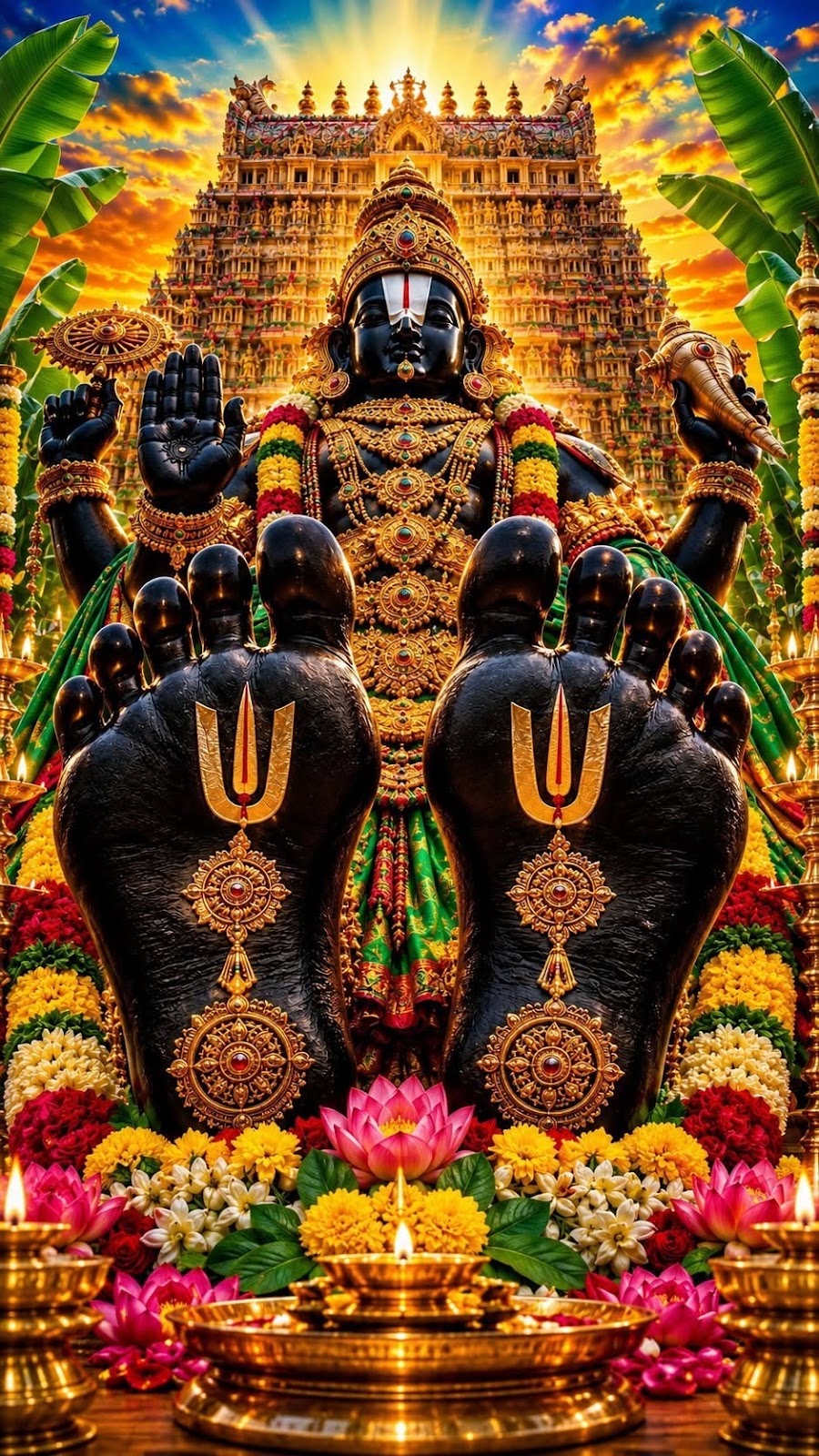
Humility in Balaji Devotion: Life Lessons from Tirumala

Tirumala Balaji

Humility in Balaji devotion offers timeless life lessons, guiding devotees to serve, surrender, and grow spiritually at Tirumala.

Seeing the Divine in Every Being

In the sacred hills of Tirumala, devotees learn that true humility begins with recognizing the divine spark in all creatures, big or small. When we treat every pilgrim, priest, or servant with respect, we echo Lord Venkateswara’s compassion for all his children.

This simple awareness softens the ego, allowing the heart to open like a lotus to the sun.

Serving Without Expectation

The daily sevas—offering naivedyam, lighting lamps, or cleaning the sanctum—are performed by countless volunteers who seek no applause. Their silent dedication reminds us that service (seva) rooted in humility purifies the mind.

When we help others without counting merits, we align our actions with the Lord’s own self‑less service.

Surrendering Pride Through Prayer

Reciting the Tirumala Suprabhatam or the Venkatesa Sahasranama with a bowed head cultivates surrender. The act of lowering the chin symbolizes letting go of pride and offering our thoughts to the Supreme.

Even a brief, heartfelt mantra can dissolve arrogance and replace it with gratitude.

Learning from the Lord’s Humble Appearance

Lord Venkateswara chose to reside on a hill, away from the opulence of Vaikuntha, to be close to his devotees. This divine choice exemplifies humility—greatness expressed through simple, accessible presence.

By meditating on this aspect, we remind ourselves that true power is gentle, not ostentatious.

Key takeaways
  • Recognize divinity in every person.
  • Serve selflessly without seeking reward.
  • Use prayer to surrender pride.
  • Emulate the Lord’s humble dwelling.

How can I practice humility in daily life?

Start with small acts—listen more than you speak, offer help without expecting thanks, and pause before reacting to criticism.

Why is humility important for spiritual growth?

Humility clears the ego’s fog, allowing the heart to receive divine grace and deepening one’s connection with Lord Venkateswara.

What mantra helps cultivate humility?

Chanting ‘Om Namo Venkatesaya’ with a bowed head reminds the mind to surrender and stay grounded.

May your path be blessed with gentle strength and pure devotion. Om Namo Venkatesaya.

Recommended for you

Pooja Samagri Kit

Amazon IndiaAmazon UKAmazon US

As an Amazon Associate I earn from qualifying purchases. Prices and availability may vary.

Darshan timings, tickets and announcements change often. Please check the official Tirumala Tirupati Devasthanams website, tirumala.org, before you travel. This is an independent devotional blog and is not affiliated with TTD.

© 2026 Original content written for this blog. Please do not copy or republish it without permission.

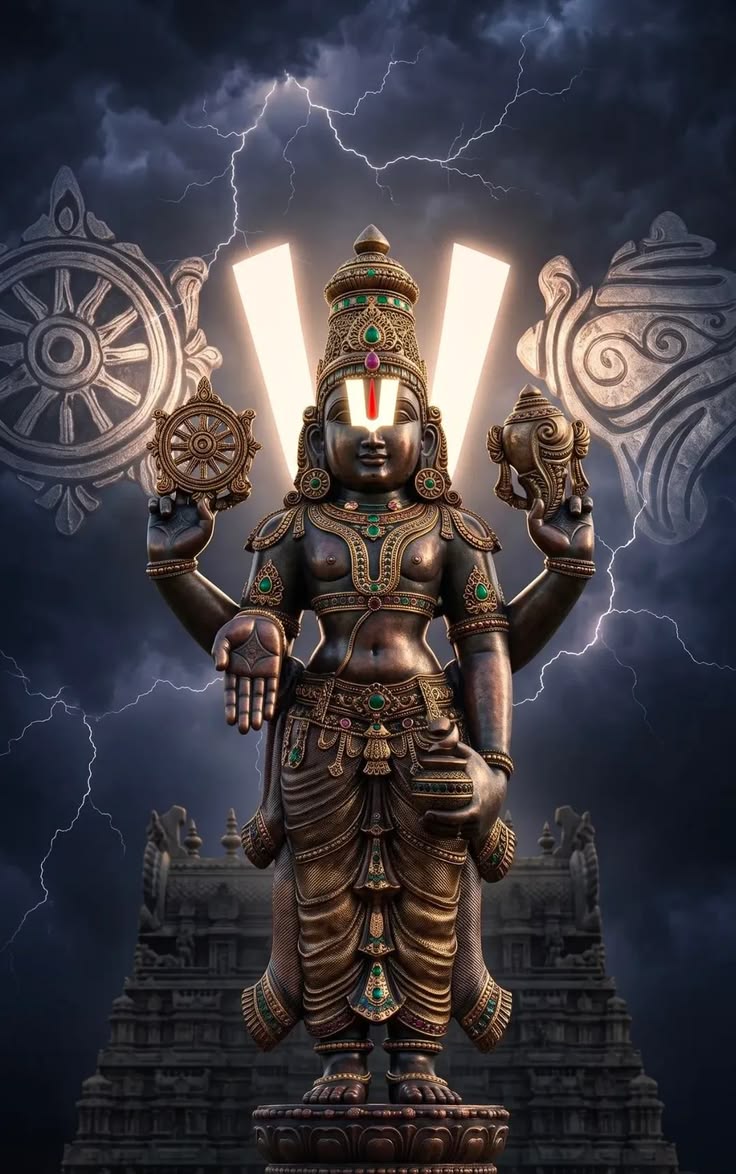
Sridevi and Bhudevi: Divine Consorts of Lord Venkateswara Explained

Tirumala Balaji

Sridevi and Bhudevi, the beloved consorts of Lord Venkateswara, embody grace, prosperity and earth‑motherly love, guiding devotees in devotion and daily life.

Who are Sridevi and Bhudevi in Tirumala Tradition?

In the Tirumala shrine, Lord Venkateswara is flanked by two divine ladies—Sridevi and Bhudevi. Sridevi, also known as Lakshmi, represents celestial wealth, beauty and spiritual abundance. Bhudevi, the earth‑embodied goddess, symbolizes material prosperity, fertility and the nurturing aspect of Mother Earth.

Both are manifestations of the same divine energy of Goddess Lakshmi, expressed in different realms—one heavenly, one earthly—yet together they complete the divine family of Venkateswara.

Mythological Roots and Symbolism

According to traditional lore, Sridevi descended from Vaikuntha to accompany Venkateswara during his earthly sojourn, bringing spiritual wealth to devotees. Bhudevi, the daughter of the earth‑god, joined later, offering material blessings and grounding the divine presence on this planet.

Their presence beside the Lord reminds seekers that true devotion balances inner spiritual riches (Sridevi) with outer worldly responsibilities (Bhudevi).

Worship Practices Involving Sridevi and Bhudevi

Devotees often offer flowers, sandalwood paste and kumkum to both consorts during daily poojas. The ritual of “Sankalpa” includes invoking Sridevi for wisdom and Bhudevi for prosperity, seeking their combined blessings.

During special festivals like Brahmotsavam, the idols of Sridevi and Bhudevi are taken out in procession, allowing the faithful to receive their benediction directly.

Living the Teachings of Sridevi and Bhudevi

The teachings of these goddesses encourage a balanced life. Sridevi inspires generosity, humility and inner purity, while Bhudevi reminds us to respect nature, nurture our families, and pursue honest livelihood.

By honoring both, devotees cultivate a holistic devotion that honors both the spiritual and material worlds, reflecting the divine harmony present at Tirumala.

Key takeaways
  • Sridevi and Bhudevi are the two consorts of Lord Venkateswara, representing spiritual and material prosperity.
  • Their legends highlight the balance between heavenly wealth and earthly abundance.
  • Daily worship and festivals honor both goddesses, guiding devotees toward a harmonious life.

Why do devotees offer both Sridevi and Bhudevi during pooja?

Offering to both goddesses acknowledges the need for inner spiritual growth (Sridevi) and outward material well‑being (Bhudevi), creating a complete and balanced devotion.

What is the significance of Bhudevi’s earth‑mother aspect?

Bhudevi embodies Mother Earth’s nurturing qualities, reminding devotees to protect nature, honor their families, and seek honest prosperity.

How can I include Sridevi’s blessings in my daily life?

Begin each day with a simple prayer to Sridevi for wisdom and generosity, and offer a small amount of kumkum or a flower as a token of gratitude.

May the grace of Sridevi and Bhudevi fill your heart with abundance and peace. Om Namo Venkatesaya.

Recommended for you

Pooja Samagri Kit

Amazon IndiaAmazon UKAmazon US

As an Amazon Associate I earn from qualifying purchases. Prices and availability may vary.

Darshan timings, tickets and announcements change often. Please check the official Tirumala Tirupati Devasthanams website, tirumala.org, before you travel. This is an independent devotional blog and is not affiliated with TTD.

© 2026 Original content written for this blog. Please do not copy or republish it without permission.

Seva Rituals at Tirumala: Meaning, Types & How Devotees Serve

Tirumala Balaji

Seva rituals at Tirumala Venkateswara Temple guide devotees to selfless service, offering love and devotion through various traditional acts.

What is Seva in Tirumala Tradition?

Seva, meaning ‘service’, is a cornerstone of Balaji worship. Devotees believe that serving the temple and fellow pilgrims purifies the heart and draws one closer to Lord Venkateswara.

It is performed without expectation of reward, embodying the spirit of humility and surrender taught in the scriptures.

Common Seva Activities Offered by the Temple

* **Annadanam** – providing free meals to pilgrims, considered one of the most auspicious services.

* **Archana and Special Pujas** – volunteers assist priests in arranging flowers, incense, and offering prayers on behalf of devotees.

* **Sandalwood Paste (Chandan) Application** – helping to apply sacred paste on the deity during special festivals.

* **Cleaning and Maintenance** – cleaning the sanctum, pathways, and sacred objects, a humble task revered as direct service to the Lord.

How Devotees Can Participate in Seva

Pilgrims may register for Seva programmes at the temple’s Seva desk or through authorized agencies. Participation often involves a small contribution that covers material costs.

Volunteers receive simple instructions and are guided by senior staff to ensure rituals are performed correctly, preserving tradition.

Even a brief act, such as offering a flower or lighting a lamp, is considered Seva when done with sincere devotion.

Spiritual Benefits of Performing Seva

Traditional belief holds that Seva removes karmic obstacles, brings inner peace, and grants the devotee the Lord’s blessings for health and prosperity.

The collective energy created by self‑less service is said to uplift the entire pilgrim community, fostering a sense of unity and shared devotion.

Key takeaways
  • Seva is selfless service that deepens devotion to Lord Venkateswara.
  • Popular Seva acts include Annadanam, Archana assistance, and temple cleaning.
  • Anyone can join Seva, and even small gestures count when done with love.

Can I perform Seva if I am a first‑time pilgrim?

Yes, the temple welcomes first‑time visitors. Simple tasks like offering flowers or helping with lamp lighting are ideal starting points.

Do I need any special training to assist in Archana?

No formal training is required. Volunteers receive brief guidance from temple staff to ensure the ritual is performed correctly.

Is there a fee for participating in Seva?

A modest contribution may be requested to cover material costs, but the essence of Seva lies in the sincerity of the offering, not the amount.

May your heart be filled with devotion and your steps guided by divine grace. Om Namo Venkatesaya.

Recommended for you

Puja Samagri Kit

Amazon IndiaAmazon UKAmazon US

As an Amazon Associate I earn from qualifying purchases. Prices and availability may vary.

Darshan timings, tickets and announcements change often. Please check the official Tirumala Tirupati Devasthanams website, tirumala.org, before you travel. This is an independent devotional blog and is not affiliated with TTD.

© 2026 Original content written for this blog. Please do not copy or republish it without permission.
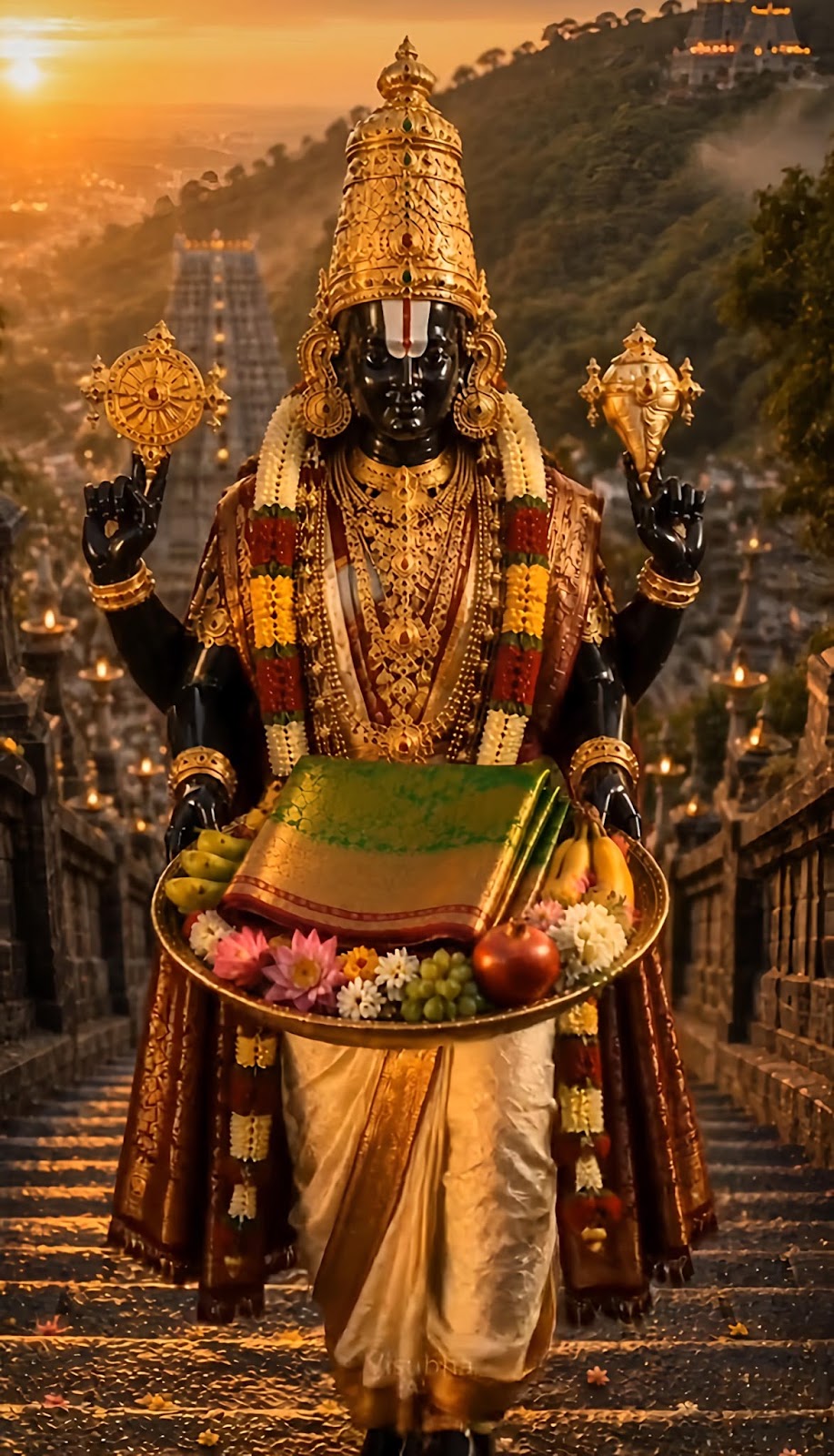
Venkateswara Ashtottara: Prayers and Mantras for Devotees

Tirumala Balaji

Venkateswara Ashtottara is an eight‑verse mantra devotees chant to seek Lord Balaji’s blessings, offering a prayer for protection and spiritual upliftment.

What Is Venkateswara Ashtottara?

The Ashtottara consists of eight verses (ashtottara) that describe the greatness of Lord Venkateswara, the presiding deity of Tirumala. It is traditionally recited in Sanskrit and praised for its melodic flow.

Devotees often learn it from priests or family elders, preserving the oral tradition that has been passed down for generations.

How to Chant the Ashtottara Correctly

Begin in a clean, quiet space, preferably facing the sanctum or an image of Lord Venkateswara. Light a lamp, offer a pinch of kumkum, and take a few breaths to steady the mind.

Pronounce each syllable slowly, keeping the rhythm (taala) steady. Many devotees repeat the mantra three, seven, or 108 times, using a rosary (japa mala) to keep count.

Benefits of Reciting the Ashtottara

Regular chanting is believed to calm the heart, remove obstacles, and bring material prosperity as well as spiritual growth. The verses invoke the Lord’s grace for health, wealth, and success.

According to traditional belief, the Ashtottara also strengthens one’s resolve to follow dharma and deepens the connection with the divine presence of Tirumala.

Incorporating the Mantra into Daily Devotion

You can add the Ashtottara after your regular puja, before the Suprabhatam, or as a standalone meditation in the early morning. Consistency is more important than length.

Keeping a small notebook of personal experiences helps you notice subtle shifts in peace and confidence as you continue the practice.

Key takeaways
  • Venkateswara Ashtottara is an eight‑verse mantra for protection and upliftment.
  • Chant it in a clean, quiet space with steady rhythm and a rosary.
  • Regular recitation promotes peace, prosperity, and deeper devotion.

When is the best time to chant Venkateswara Ashtottara?

Early morning before sunrise or evening after sunset are traditionally preferred, as the atmosphere is calm and the mind is fresh.

How many repetitions are recommended for beginners?

Starting with three or seven cycles is common; as comfort grows, many devotees increase to 108 repetitions using a japa mala.

Can the Ashtottara be recited without a physical idol?

Yes, devotees may chant before a picture, a small brass idol, or simply in a clean space, focusing the heart on Lord Venkateswara’s presence.

May your heart be filled with Lord Balaji’s grace. Om Namo Venkatesaya.

Recommended for you

Puja Samagri Kit

Amazon IndiaAmazon UKAmazon US

As an Amazon Associate I earn from qualifying purchases. Prices and availability may vary.

Darshan timings, tickets and announcements change often. Please check the official Tirumala Tirupati Devasthanams website, tirumala.org, before you travel. This is an independent devotional blog and is not affiliated with TTD.

© 2026 Original content written for this blog. Please do not copy or republish it without permission.
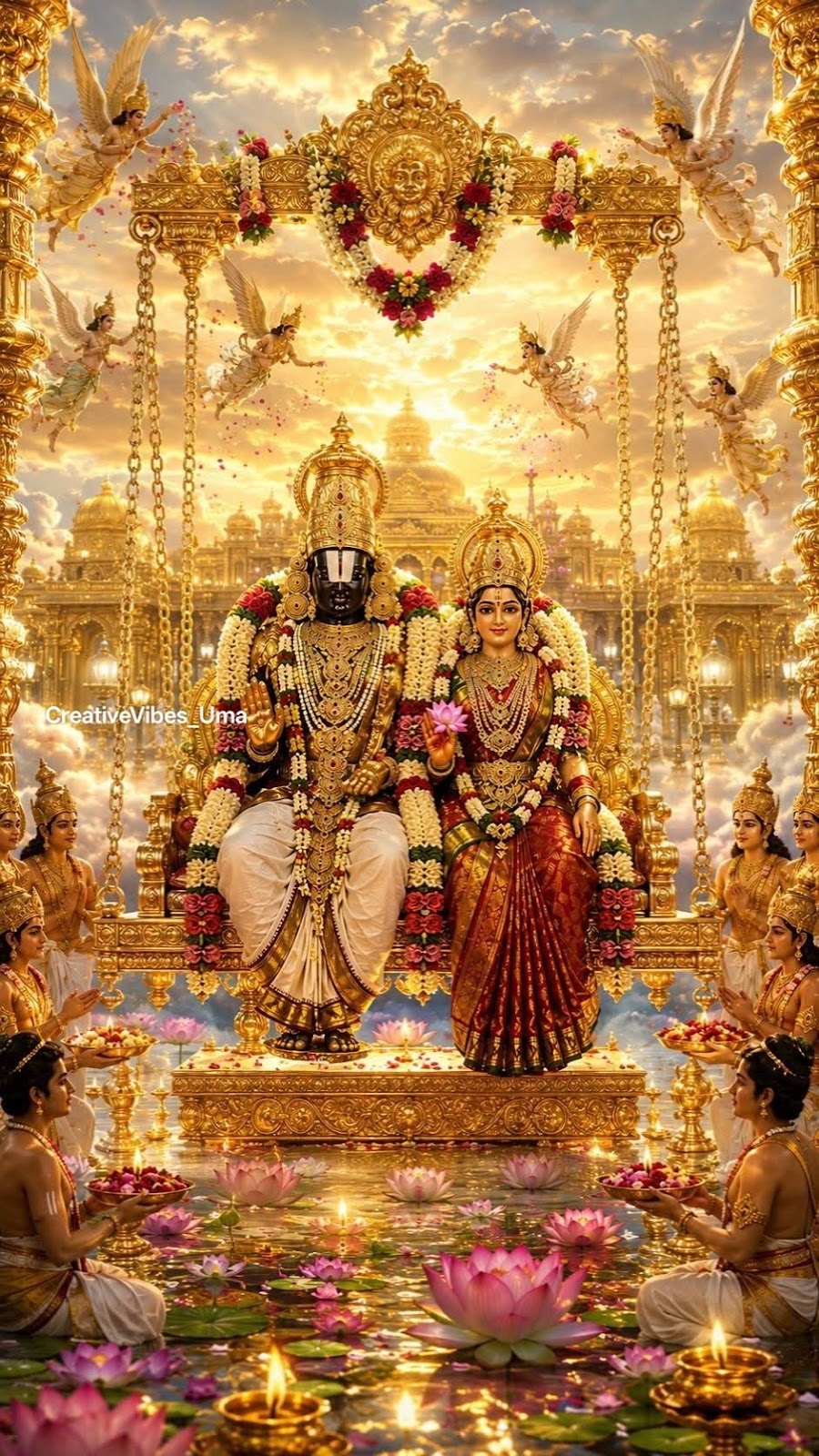
Anantalwar Stories and Legends: Devotees' Insight and Service

Tirumala Balaji

Anantalwar Stories and Legends reveal the humble sage’s devotion, his miraculous service to Lord Venkateswara, and lessons cherished by Tirumala devotees.

Anantalwar Legend: Early Life

Traditional accounts place Anantalwar in the fertile lands of Andhra, where he was born into a modest family devoted to Lord Venkateswara. From childhood he displayed an extraordinary love for the divine, often meditating beneath the shade of banyan trees. His simple upbringing fostered a deep humility that later defined his spiritual service.

Anantalwar's Service to Lord Venkateswara

Devotees recount that Anantalwar dedicated his life to serving the Lord’s temple, carrying water from the Swami Pushkarini and preparing prasadam with devotion. Legends say that his sincere offerings pleased the deity, and the temple’s rituals seemed to flow more smoothly during his watch. This self‑less seva is celebrated as a model of pure bhakti.

Anantalwar's Devotion at Tirumala

Anantalwar is believed to have spent many years in Tirumala, residing near the Ananthasayana shrine where he performed daily worship. He would chant the Venkatesa Suprabhatam at dawn, inviting the Lord to awaken. His unwavering presence is said to have infused the hills with an atmosphere of peace and devotion.

Anantalwar's Legacy for Modern Devotees

Today, devotees invoke Anantalwar’s name when undertaking acts of service, believing that his spirit guides sincere efforts. His story encourages believers to prioritize humility, selfless work, and constant remembrance of the Lord. Many families recount his legend during festivals, keeping his example alive across generations.

Key takeaways
  • Anantalwar exemplifies humble, selfless service to Lord Venkateswara.
  • His legends inspire daily devotion and sincere seva at Tirumala.
  • Modern devotees honor him by integrating his values into personal worship.

Who was Anantalwar?

Anantalwar is a revered saint in the Tirumala tradition, known for his lifelong dedication to serving Lord Venkateswara and for embodying pure bhakti.

What miracles are associated with Anantalwar?

Devotees traditionally believe that his sincere service brought about smoother temple rituals, and that his presence could calm the atmosphere of the hills, though specific miraculous events are conveyed as matters of faith.

How can devotees honor Anantalwar today?

By performing selfless seva, chanting his name during prayers, and remembering his example of humility, devotees keep his spirit alive in their daily worship.

May the blessings of Anantalwar inspire your path. Om Namo Venkatesaya

Recommended for you

Tirumala Balaji Pooja Book

Amazon IndiaAmazon UKAmazon US

As an Amazon Associate I earn from qualifying purchases. Prices and availability may vary.

Darshan timings, tickets and announcements change often. Please check the official Tirumala Tirupati Devasthanams website, tirumala.org, before you travel. This is an independent devotional blog and is not affiliated with TTD.

© 2026 Original content written for this blog. Please do not copy or republish it without permission.

Garuda Seva at Tirumala: Meaning, Rituals & Devotee Joy

Tirumala Balaji

Garuda Seva at Tirumala is a revered service where devotees offer a garland to the sacred Garuda, seeking blessings of Lord Venkateswara and his divine vehicle.

Historical Roots of Garuda Seva

The practice of Garuda Seva traces its origin to ancient Vaishnava lore, where Garuda is described as the mighty carrier of Lord Vishnu. Over centuries, the tradition migrated to Tirumala, becoming a special service for those who wish to honor the divine eagle.

How Garuda Seva is Performed at Tirumala

Devotees present a fresh garland of flowers at the Garuda shrine, usually after the main darshan. Priests receive the offering, place it on the Garuda idol, and chant a brief prayer invoking protection and prosperity.

Spiritual Significance for Devotees

Offering to Garuda is believed to remove obstacles, grant swift resolution of difficulties, and invoke the swift‑moving grace of the Lord’s vehicle. Many devotees feel a renewed sense of confidence after the seva.

Practical Tips for First‑time Participants

Dress modestly, keep the garland simple yet fragrant, and arrive early to avoid crowds. Carry a small donation for the priests, and maintain silence while the ritual is in progress.

Key takeaways
  • Garuda Seva honors Lord Venkateswara’s divine vehicle.
  • The ritual involves offering a fresh flower garland at the Garuda shrine.
  • Participating cultivates protection, swift blessings, and inner confidence.

What is the purpose of offering a garland to Garuda?

The garland symbolizes devotion and seeks Garuda’s intercession to carry prayers quickly to Lord Venkateswara.

Can I participate in Garuda Seva if I am a first‑time visitor?

Yes, first‑time devotees are welcome; they should follow the guidance of temple staff and observe the decorum of the shrine.

Is there any specific mantra to chant during Garuda Seva?

Many devotees quietly recite “Om Garudaaya Namaha” or simply chant the name of Lord Venkateswara while offering the garland.

May the blessings of Garuda and Lord Venkateswara fill your life with peace and prosperity. Om Namo Venkatesaya

Recommended for you

Garuda Idol

Amazon IndiaAmazon UKAmazon US

As an Amazon Associate I earn from qualifying purchases. Prices and availability may vary.

Darshan timings, tickets and announcements change often. Please check the official Tirumala Tirupati Devasthanams website, tirumala.org, before you travel. This is an independent devotional blog and is not affiliated with TTD.

© 2026 Original content written for this blog. Please do not copy or republish it without permission.
Where to Stay in Tirumala: Balaji Pilgrimage Planning Guide

Tirumala Balaji

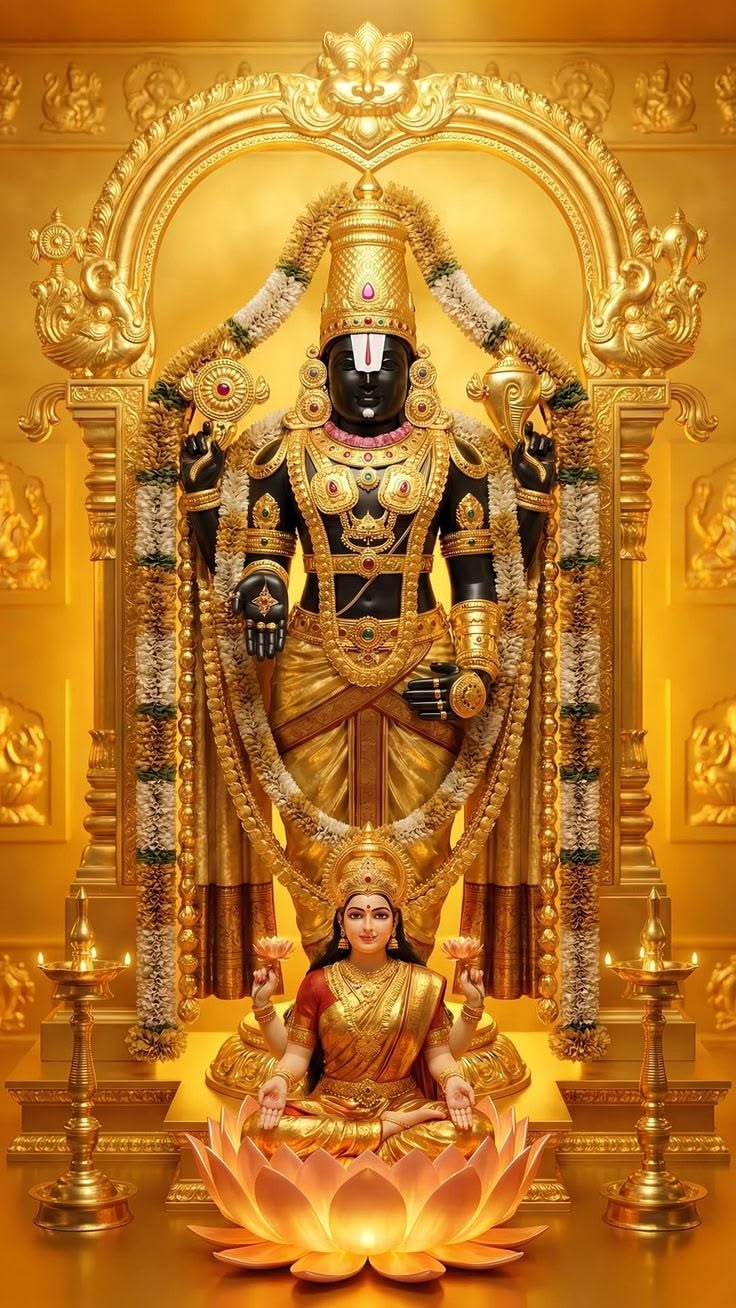
Where to Stay in Tirumala gives Balaji pilgrims advice on lodging choices, simple booking steps, and how to remain rested while worshipping the holy shrine.

Traditional Guest Houses (Dharamshalas)

Dharamshalas have been the heart‑beat of Tirumala hospitality for centuries, offering simple rooms that echo the spirit of seva. Devotees sleep on clean mats, share communal spaces, and partake in meals prepared with devotion. The atmosphere encourages chanting, reflection, and a sense of equality among all seekers.

These guest houses are managed by charitable trusts and often require a modest advance deposit. Reservations are typically made through the official portal, and the process respects the principle of first‑come‑first‑served. Facilities usually include a prayer hall, drinking water, and basic sanitation.

Because the rooms are modest, it is wise to carry a light blanket, a small pillow, and personal toiletries. Many pilgrims bring a portable pooja thali to keep their daily worship routine uninterrupted even while away from home.

Government‑Run Accommodations (Tirumala Tirupati Devasthanams)

The Tirumala Tirupati Devasthanams (TTD) operates several well‑maintained lodges that blend traditional simplicity with modern comforts. Options range from single‑occupancy rooms to family suites, each designed to accommodate the diverse needs of pilgrims.

Booking through the TTD website guarantees a secure reservation and access to facilities such as filtered water, Wi‑Fi in common areas, and a dedicated prayer space. Some lodges also provide a modest kitchen area for devotees who wish to prepare simple meals.

The TTD lodges follow strict cleanliness standards and are regularly inspected. Devotees are encouraged to observe the dress code and maintain silence in the corridors, preserving the sanctity of the environment.

Private Lodges and Hotels Near Tirupati

For those who prefer a higher level of privacy or additional amenities, many private hotels and guest houses in Tirupati city offer comfortable rooms, air‑conditioning, and restaurant services. These establishments are a short drive from the hill and provide easy access to the temple via shuttle services.

While private accommodations are not directly affiliated with the temple, they often have tie‑ups with travel agencies that can arrange transport to the hilltop. It is advisable to read recent reviews and confirm that the property follows basic hygiene protocols.

Families traveling with young children may appreciate the availability of baby‑cots, extra beds, and 24‑hour reception. Some hotels also offer a small altar where pilgrims can keep a personal photo of Lord Venkateswara for daily worship.

Practical Tips for a Comfortable Stay

Plan your stay at least a few weeks in advance, especially during peak festivals like Brahmotsavam, when demand surges dramatically. Keep a copy of your reservation confirmation on your phone and a printed copy as a backup.

Carry a small, lightweight bag with essential items: a reusable water bottle, a set of cotton wicks for a portable diya, and a compact puja samagri kit. This allows you to maintain your daily rituals without relying on external sources.

Maintain a disciplined sleep schedule; the early morning aarti begins before sunrise, and a well‑rested mind enhances the spiritual experience. Respect the quiet zones, dispose of waste responsibly, and always keep the sanctity of the surroundings in mind.

Key takeaways
  • Choose lodging that aligns with your comfort level and spiritual goals.
  • Book through official channels early, especially for peak seasons.
  • Carry minimal but essential puja items to keep your devotion uninterrupted.

How far in advance should I book accommodation in Tirumala?

During regular months, a reservation made 2‑3 weeks ahead is usually sufficient, but for major festivals it is wise to secure a room a month or more in advance.

What are the best options for families with children?

Family suites in TTD lodges or private hotels near Tirupati provide extra space, child‑friendly amenities, and easy access to medical facilities, making them the most convenient choice.

Can I stay inside the temple complex?

The core sanctum is reserved for worship only; however, the TTD operates several guest houses within the premises that offer basic accommodation for pilgrims.

May your journey be blessed with devotion, peace, and divine grace. Om Namo Venkatesaya.

Recommended for you

Pooja Thali Set

Amazon IndiaAmazon UKAmazon US

As an Amazon Associate I earn from qualifying purchases. Prices and availability may vary.

Darshan timings, tickets and announcements change often. Please check the official Tirumala Tirupati Devasthanams website, tirumala.org, before you travel. This is an independent devotional blog and is not affiliated with TTD.

© 2026 Original content written for this blog. Please do not copy or republish it without permission.
Tirumala Temple Architecture: Sacred Design & Symbolic Flow

Tirumala Balaji

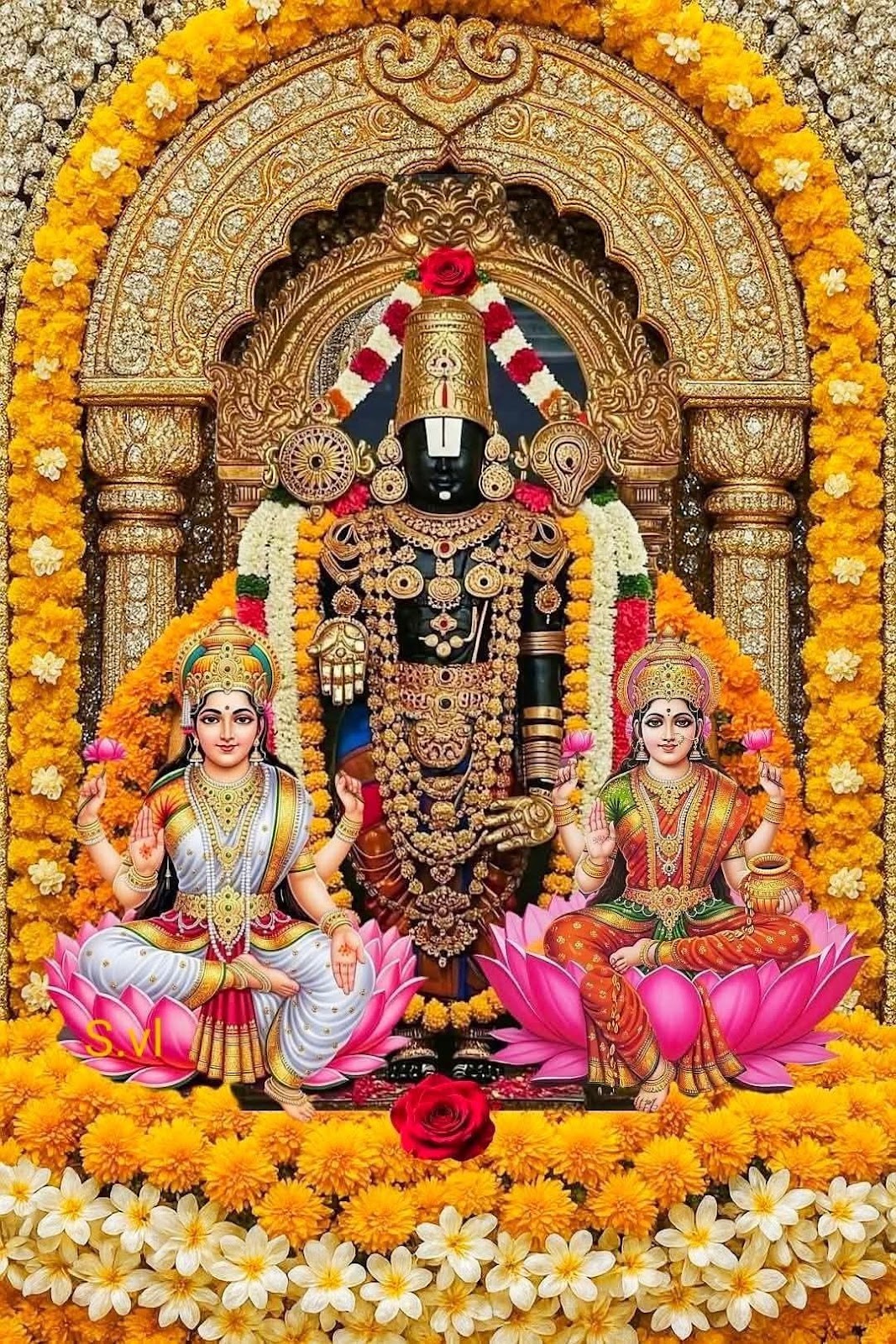
Tirumala Temple Architecture blends ancient Vedic principles with Dravidian artistry, guiding devotees through a harmonious journey of sight, sound, and spirit.

Overall Layout of Tirumala Temple

Perched on the sacred Venkata hill, the temple complex is arranged in concentric courtyards that lead pilgrims inward toward the sanctum. Three principal shrines—Venkateswara, Padmavathi and Alamelu—form the spiritual core, while the outer walls define the sacred boundary called the "Moksha Path." The layout reflects the Vedic concept of moving from the outer material world to the inner divine presence.

The Gopurams and Vimana: Symbolic Peaks

The towering gopurams serve as majestic gateways; the main Maha Dwaram rises in seven tiers, each tier adorned with mythic figures. At the heart stands the golden Vimana of the Ananda Nilayam, a 36‑meter high tower that symbolizes the celestial abode of Lord Venkateswara. Traditional belief holds that the Vimana’s shimmering gold represents divine light illuminating the devotee’s heart.

Mandapas and Pillared Halls: Spaces for Devotion

Within the inner precincts lie several mandapas, including the thousand‑pillared Maha Mandapam, the ornate Alankara Mandapa and the musical Ranga Mandapa. These pillared halls provide venues for ritual, dance, and the chanting of Vedic hymns, creating an acoustic environment that resonates with the temple’s spiritual rhythm. Their Dravidian columns are carved with lotus and yali motifs, reinforcing the theme of divine beauty.

Sculptural Details and Sacred Geometry

Every surface of the temple is embellished with intricate carvings of deities, celestial beings, and stories from the Ramayana and Mahabharata. The layout follows a mandala‑like geometry, aligning the sanctum with the cardinal directions and the hill’s natural contours. Devotees often notice how the lotus‑shaped motifs echo the cosmic lotus described in Vedic texts, symbolizing purity and creation.

Key takeaways
  • The temple’s concentric design mirrors the spiritual journey from outer world to inner divinity.
  • Gopurams and the golden Vimana embody cosmic symbolism and divine light.
  • Mandapas and detailed carvings create a harmonious space for worship and artistic expression.

How many main gopurams does the Tirumala temple have?

Traditionally, the complex features four principal gopurams, with the Maha Dwaram being the tallest and most prominent gateway for pilgrims.

What is the significance of the golden Vimana?

The Vimana represents the celestial palace of Lord Venkateswara; its gold covering is seen as the manifestation of divine radiance that inspires devotion.

Can visitors observe the architectural details while climbing the hill?

Yes, as devotees ascend the hill, each level reveals new sculptural panels, pillars, and mandapas, allowing a progressive appreciation of the temple’s artistry.

May the divine architecture inspire your heart. Om Namo Venkatesaya

Recommended for you

Puja Samagri Kit

Amazon IndiaAmazon UKAmazon US

As an Amazon Associate I earn from qualifying purchases. Prices and availability may vary.

Darshan timings, tickets and announcements change often. Please check the official Tirumala Tirupati Devasthanams website, tirumala.org, before you travel. This is an independent devotional blog and is not affiliated with TTD.

© 2026 Original content written for this blog. Please do not copy or republish it without permission.

Caring for a Tulasi Plant at Home: Simple Devotional Steps

Tirumala Balaji

Caring for a tulasi plant at home deepens daily devotion, purifies the space, and invites Venkateswara’s blessings through simple, loving care, with gratitude.

Why a Tulasi Plant Holds Sacred Significance

Tulasi, or holy basil, is revered as an incarnation of the goddess Lakshmi and a companion of Lord Venkateswara. Devotees believe its presence invites divine protection and cleanses the atmosphere of negative vibrations. Keeping tulasi in the home is therefore a living offering of love and reverence.

Choosing the Right Pot and Soil for Your Tulasi

Select a clean, breathable pot—clay earthenware works best—allowing roots to breathe. Use well‑draining soil mixed with sand or garden loam, avoiding heavy, water‑retentive mixes. A shallow saucer beneath the pot catches excess water and keeps the altar area tidy.

Daily Rituals: Watering, Praying, and Offering

Water the tulasi each morning with lukewarm water, gently soaking the soil but not flooding the roots. After watering, chant a short mantra such as “Om Namo Venkatesaya” while offering a pinch of tulasi leaves or a few drops of ghee. Light a small incense stick and place a brass diya nearby to honor the plant as a sacred guest.

Seasonal Care and When to Replant

During the monsoon, reduce watering to prevent root rot; in summer, increase light exposure and mist the leaves to keep them cool. If the plant becomes woody or the foliage turns yellow, gently prune the old stems and re‑pot into fresh soil. Many families replant tulasi every two to three years, inviting renewal and continued blessings.

Key takeaways
  • Tulasi is a living symbol of devotion to Venkateswara.
  • Use a breathable pot, well‑draining soil, and water each morning.
  • Combine watering with mantra chanting, incense, and a diya.

How often should I water a tulasi plant at home?

Generally once each morning, adjusting for weather—less in rainy seasons, more in hot, dry periods.

Can I keep a tulasi plant inside the house?

Yes, place it near a sunny window where it receives at least four hours of indirect sunlight daily.

What offerings are appropriate for a tulasi plant?

Simple offerings include fresh tulasi leaves, a pinch of kumkum, a few drops of ghee, and the fragrance of incense or dhoop.

May the fragrance of tulasi bring peace to your heart. Om Namo Venkatesaya.

Recommended for you

Tulsi Plant Pot

Amazon IndiaAmazon UKAmazon US

As an Amazon Associate I earn from qualifying purchases. Prices and availability may vary.

Darshan timings, tickets and announcements change often. Please check the official Tirumala Tirupati Devasthanams website, tirumala.org, before you travel. This is an independent devotional blog and is not affiliated with TTD.

© 2026 Original content written for this blog. Please do not copy or republish it without permission.
Akasa Ganga: Nearby Temple and Sacred Spot Near Tirumala

Tirumala Balaji

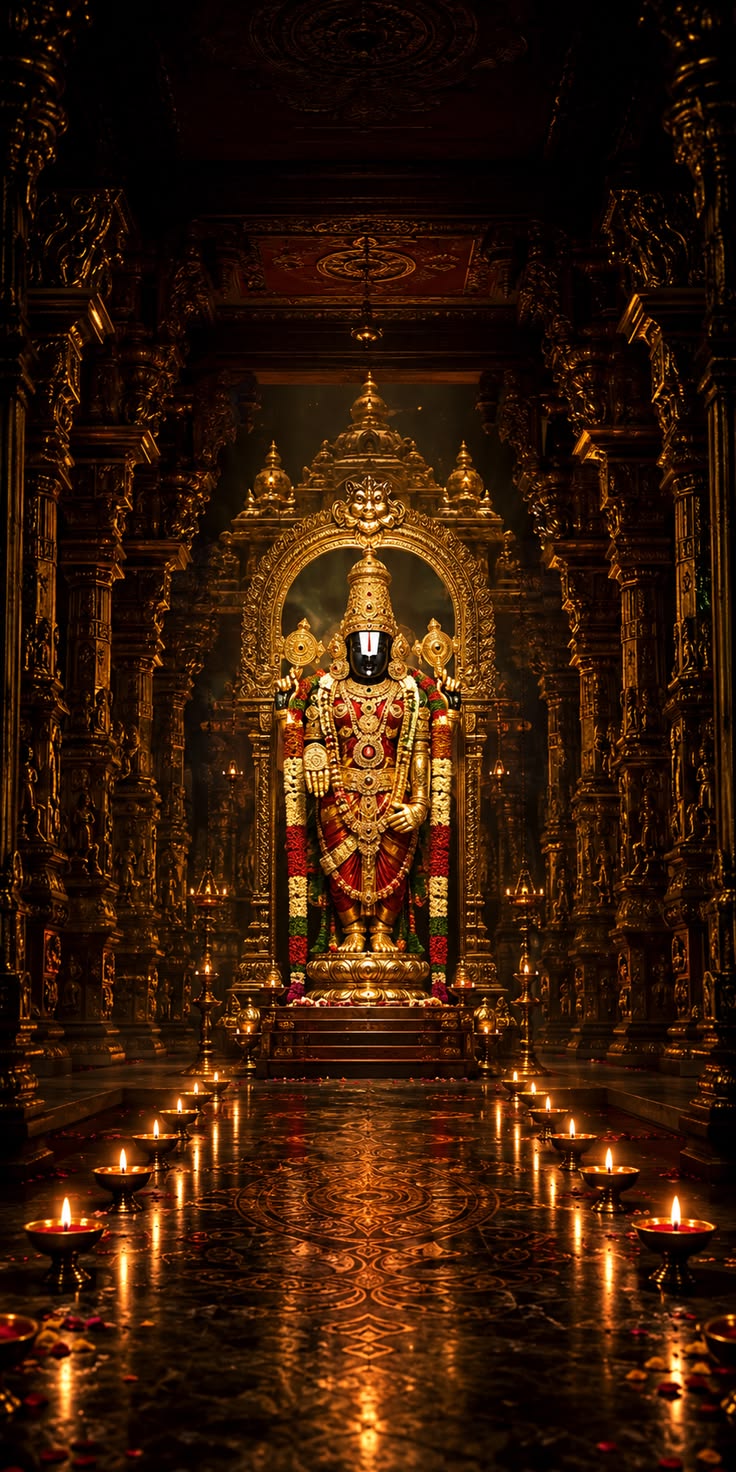
Akasa Ganga, a waterfall and sacred spot near Tirumala, greets devotees with cool streams, divine legends, and a peaceful view of Venkateswara Temple and gentle chants of the hill.

Akasa Ganga: Mythology and Legend

According to traditional lore, Akasa Ganga is the earthly manifestation of the celestial river that flows from the heavens to cleanse sins. Devotees recall the story of Lord Venkateswara directing the sacred water to descend near his abode, making the fall a living reminder of divine grace. The sound of the cascade is often likened to the murmuring of Vayu, the wind‑god, who carries prayers upward.

The waterfall is also linked with the sage Agastya, who is believed to have meditated on its banks, seeking the purity needed for his great penance. This association adds a layer of ascetic reverence, encouraging pilgrims to pause, breathe, and reflect before continuing their journey to the main shrine.

Akasa Ganga: How to Reach the Waterfall

From the main Tirumala complex, a short walk downhill along the well‑marked path leads to the Akasa Ganga spot. The route passes through lush greenery, offering a cool respite from the heat of the hill. Signboards in Telugu and English guide pilgrims, ensuring even first‑time visitors find the way safely.

Many devotees choose to walk, feeling that the physical effort deepens their devotion. Those who prefer a brief ride can use the local shuttle service that stops near the entrance of the waterfall area. Regardless of the mode, the journey itself is considered a form of seva (service) when performed with mindfulness.

Akasa Ganga: Spiritual Practices at the Site

Upon reaching Akasa Ganga, it is customary to wash the hands and feet as a sign of respect before offering prayers. Devotees often sprinkle a few drops of the cool water on their heads, believing it carries the blessings of the divine river.

A simple puja can be performed using a small thali, a few flowers, and a light incense stick. The gentle sound of the water enhances the chanting of mantras such as “Om Namo Venkatesaya,” creating a harmonious atmosphere of devotion.

Akasa Ganga: Nearby Attractions for Pilgrims

After experiencing Akasa Ganga, pilgrims often visit the nearby Srivari Padalu, the sacred footprints of Lord Venkateswara, which lie a short distance away. The site offers a quiet space for contemplation and additional offerings.

Another favored spot is the small shrine dedicated to Lord Hanuman, positioned on the hill’s slope. Devotees believe that a quick prayer here invokes strength for the remainder of the pilgrimage.

Key takeaways
  • Akasa Ganga is a sacred waterfall linked to divine legends.
  • It is easily reachable by a short, scenic walk from Tirumala.
  • Simple puja and water sprinkling deepen the devotional experience.

What is the significance of Akasa Ganga?

Akasa Ganga is regarded as the earthly form of the heavenly river, symbolizing purification and the flow of divine blessings to devotees who visit its banks.

Can I take a dip in the Akasa Ganga water?

Traditional practice encourages a brief sprinkling of water on the head or hands rather than a full immersion, preserving the sanctity of the site while allowing devotees to receive its purifying touch.

What are the best times to visit Akasa Ganga?

Early mornings and late evenings are preferred, as the weather is cooler and the waterfall’s roar blends harmoniously with the chants of the nearby temple, creating a serene atmosphere.

May the divine waters of Akasa Ganga cleanse your heart. Om Namo Venkatesaya.

Recommended for you

Pooja Thali Set

Amazon IndiaAmazon UKAmazon US

As an Amazon Associate I earn from qualifying purchases. Prices and availability may vary.

Darshan timings, tickets and announcements change often. Please check the official Tirumala Tirupati Devasthanams website, tirumala.org, before you travel. This is an independent devotional blog and is not affiliated with TTD.

© 2026 Original content written for this blog. Please do not copy or republish it without permission.

Patience in Balaji Devotion: Life Lessons from Tirumala Temple

Tirumala Balaji

Patience in Balaji devotion shows how calm surrender at Tirumala turns everyday trials into steps toward deeper faith and inner peace with Lord Venkateswara. for all seekers

Patience in Balaji Worship: A Spiritual Perspective

In the sacred atmosphere of Tirumala, patience is not merely waiting—it is an active trust in the Lord’s timing. Devotees learn that each breath taken in the temple courtyard becomes an offering of surrender, reminding the mind that the Divine orchestrates all events.

Traditional scriptures describe patience (kshama) as a jewel that steadies the heart, allowing one to perceive the deeper purpose behind every obstacle.

Daily Seva and the Practice of Patience

Performing seva—whether lighting a lamp, offering flowers, or chanting the Suprabhatam—requires quiet concentration and the willingness to repeat the act without haste. This rhythmic service trains the mind to stay present, cultivating a gentle endurance.

When the queue for darshan stretches long, the act of serving others in the line, sharing a smile or a word of encouragement, transforms waiting into a shared prayer.

Patience When Facing Life’s Challenges

Outside the temple walls, devotees encounter health issues, financial worries, or family discord. The lessons learned at Tirumala—steady devotion and surrender—provide a mental anchor during such storms.

By recalling the calm felt while offering incense or listening to the echo of the sacred bells, one can bring that same composure into daily hardships.

Using Sacred Rituals to Nurture Patience

Simple rituals like lighting a diya or reciting the Venkatesa Suprabhatam create a pause in a hurried day. The steady flame symbolizes the inner light that does not flicker, even when external winds blow.

Regularly practicing these rituals reinforces the habit of pausing, breathing, and trusting, thereby weaving patience into the fabric of everyday life.

Key takeaways
  • Patience is an active surrender, not passive waiting.
  • Seva and daily rituals train the mind to stay present.
  • Recalling temple calm helps navigate worldly challenges.

How can I develop patience while waiting for darshan?

Use the waiting time for silent chanting, breath awareness, or offering a small prayer for others; this turns the queue into a moving meditation.

What simple home practice can strengthen patience?

Lighting a diya each morning, focusing on the steady flame for a few minutes, and offering gratitude to Lord Venkateswara cultivates inner steadiness.

Why is patience emphasized in Balaji traditions?

Patience reflects trust in the Lord’s divine schedule; it aligns the devotee’s heart with the cosmic rhythm, allowing spiritual progress even amid worldly delays.

May your heart be steady, and may the grace of Lord Venkateswara guide you. Om Namo Venkatesaya

Recommended for you

Spiritual Books for Beginners

Amazon IndiaAmazon UKAmazon US

As an Amazon Associate I earn from qualifying purchases. Prices and availability may vary.

Darshan timings, tickets and announcements change often. Please check the official Tirumala Tirupati Devasthanams website, tirumala.org, before you travel. This is an independent devotional blog and is not affiliated with TTD.

© 2026 Original content written for this blog. Please do not copy or republish it without permission.
Padmavathi (Alamelu Manga): Legends, Worship & Significance

Tirumala Balaji

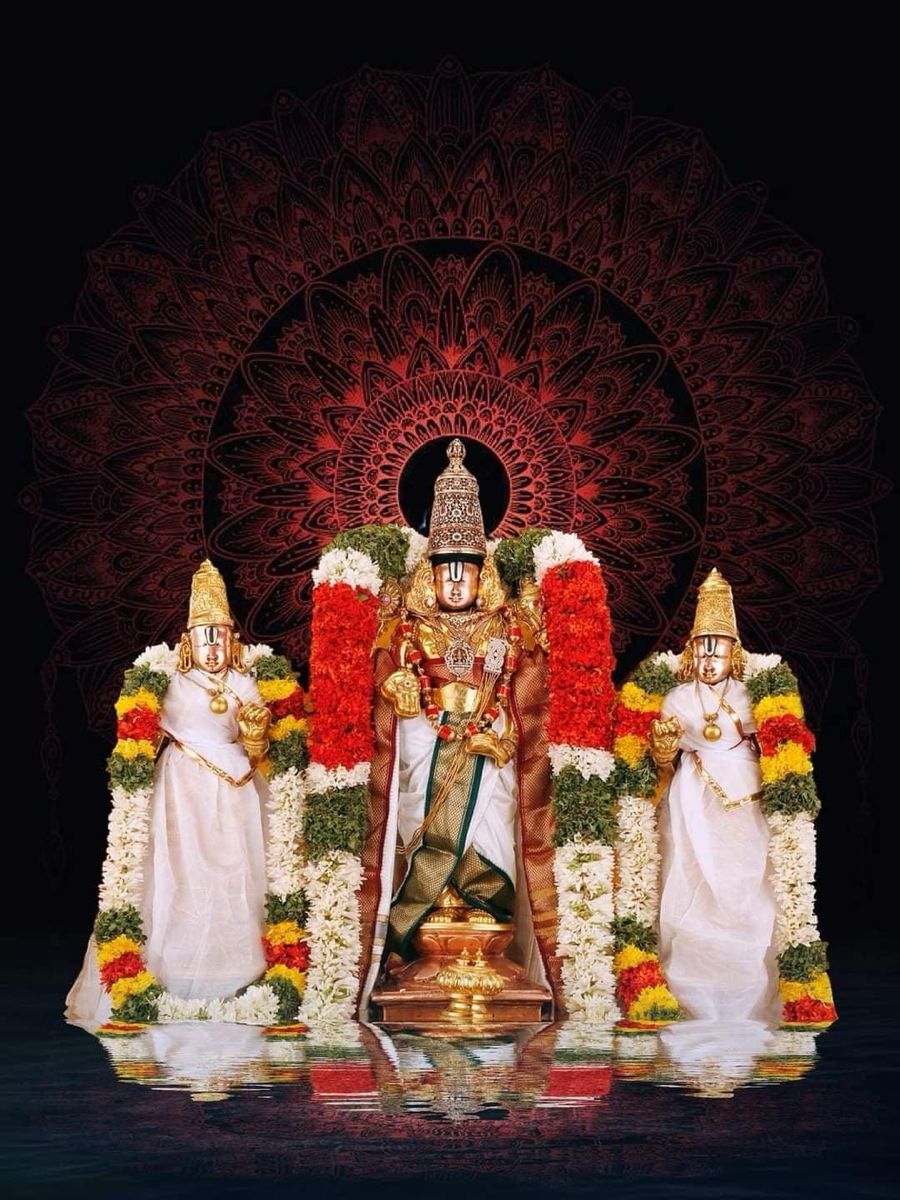
Padmavathi (Alamelu Manga) is the beloved consort of Lord Venkateswara; her legends, worship and symbolism inspire devotees on the pilgrimage to Tirumala.

Origins and Birth Legends of Padmavathi

According to traditional accounts, Padmavathi emerged from a pristine lotus that blossomed in the sacred pond of the sage Agastya. The lotus, symbolising purity, rose without any soil, highlighting her divine origin beyond ordinary birth.

Devotees believe that the lotus was a manifestation of Goddess Lakshmi’s grace, sent to accompany Lord Venkateswara in his earthly abode. This myth reinforces the idea that Padmavathi embodies both material abundance and spiritual wealth.

The story also mentions that she was adopted by the king of the region, which links her to the royal lineage of the ancient kingdom of Andhra, adding a historical texture to her divine narrative.

Padmavathi’s Role in the Tirumala Narrative

In the grand saga of Lord Venkateswara’s descent to Earth, Padmavathi appears as his devoted partner, sharing his vows of service to humanity. Their union is celebrated as the divine marriage that sanctifies the Tirumala hills.

The couple’s story is recounted during the annual Brahmotsavam, where the celestial wedding is reenacted, reminding pilgrims of the harmony between the divine masculine and feminine principles.

Padmavathi also serves as a compassionate intercessor; devotees often pray to her for marital bliss, fertility, and the removal of obstacles, reflecting her role as a nurturing mother figure.

Worship Practices and Rituals Dedicated to Padmavathi

At the Alamelu Mangapuram temple, Padmavathi is worshipped before entering the main sanctum of Lord Venkateswara, emphasizing her status as the first recipient of devotion.

Typical offerings include fresh flowers, especially white jasmine, and a special sweet called ‘Poornamalu’, symbolising the sweetness of her blessings. The ritual of ‘Thiruman’ (sacred ash) is also applied on her idol, signifying purification.

Many families maintain a small altar at home with a Padmavathi idol, lighting a lamp and chanting her name alongside the Venkatesa Suprabhatam, thereby keeping her presence alive in daily life.

During special occasions like Akshaya Tritiya, devotees perform a ‘Pavitra Aarti’ using a brass aarti plate, offering incense, camphor, and sandalwood, all of which are believed to please Padmavathi and bring prosperity.

Symbolic Meanings and Lessons for Devotees

Padmavathi’s lotus birth teaches that purity can arise even in murky circumstances, encouraging seekers to maintain inner cleanliness despite worldly challenges.

Her partnership with Venkateswara illustrates the balance of energy: the lord’s strength complemented by the goddess’s compassion, reminding devotees to cultivate both vigor and kindness.

The devotion shown to Padmavathi also underscores the importance of honoring the feminine divine, a principle that nurtures family harmony and societal wellbeing.

Key takeaways
  • Padmavathi’s lotus origin symbolizes purity and divine grace.
  • She is worshipped before Lord Venkateswara, highlighting her pivotal role.
  • Her stories inspire balance between strength and compassion in devotees.

Who is Padmavathi in Hindu mythology?

Padmavathi, also called Alamelu Manga, is revered as the consort of Lord Venkateswara. Traditional texts describe her as a manifestation of Goddess Lakshmi, born from a lotus, embodying wealth, devotion, and maternal care.

How do devotees worship Padmavathi at Tirumala?

Pilgrims first offer prayers at the Alamelu Mangapuram temple, presenting flowers, incense, and sweets. A lamp is lit, and the Padmavathi Aarti is performed before proceeding to the main sanctum of Lord Venkateswara.

What is the significance of Padmavathi's lotus birth?

The lotus, which grows pristine above muddy waters, represents spiritual purity emerging from material existence. Padmavathi’s lotus birth reminds devotees that divine qualities can flourish even amid worldly difficulties.

May the blessings of Padmavathi and Lord Venkateswara guide your heart and home. Om Namo Venkatesaya.

Recommended for you

Pooja Thali Set

Amazon IndiaAmazon UKAmazon US

As an Amazon Associate I earn from qualifying purchases. Prices and availability may vary.

Darshan timings, tickets and announcements change often. Please check the official Tirumala Tirupati Devasthanams website, tirumala.org, before you travel. This is an independent devotional blog and is not affiliated with TTD.

© 2026 Original content written for this blog. Please do not copy or republish it without permission.
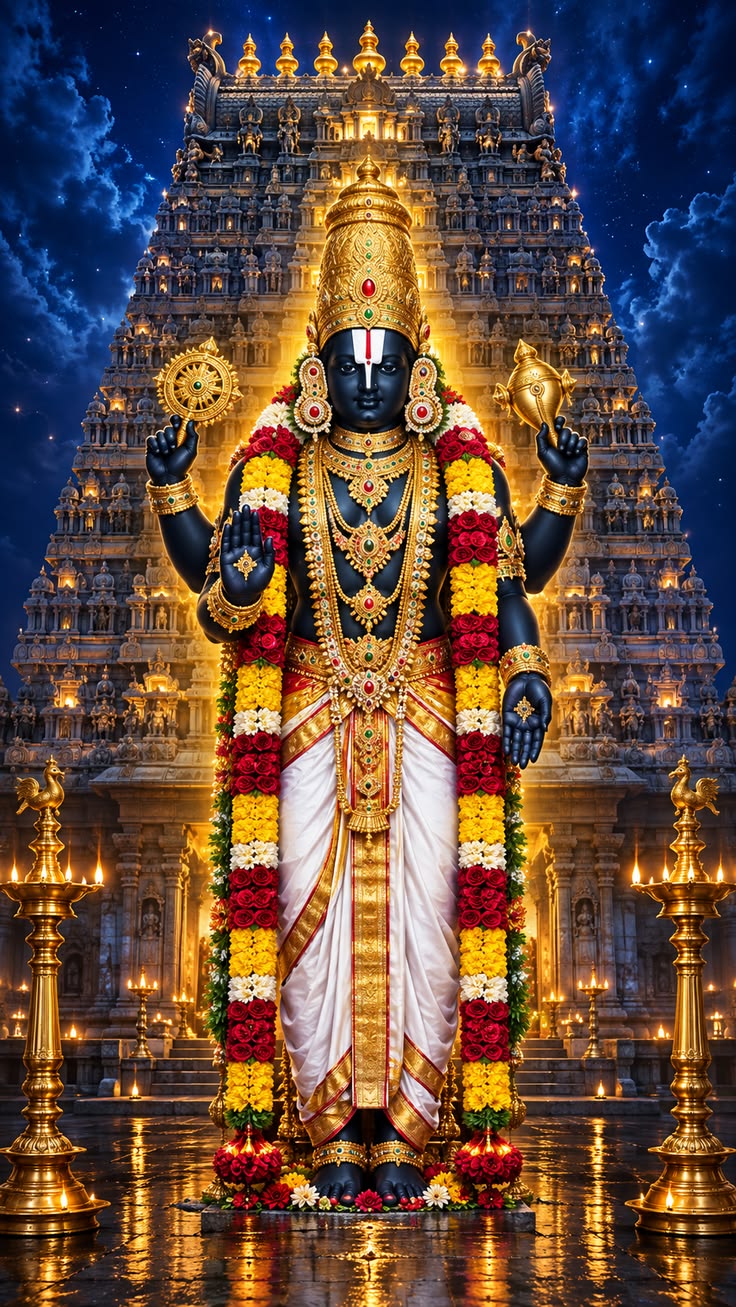
Anna Prasadam: Significance, Preparation & Offering at Tirumala

Tirumala Balaji

Anna Prasadam, the sacred cooked offering of rice and dal, is blessed at Tirumala and shared with devotees, symbolizing divine grace, purity and communal love.

Why Anna Prasadam Is Sacred

In the Tirumala tradition, Anna Prasadam represents the Lord’s nourishment to all beings. It is believed that the deity’s blessings infuse the simple food, turning it into a conduit of spiritual upliftment. Devotees receive it with humility, seeing it as a tangible reminder of Venkateswara’s compassion.

The act of sharing this prasadam also reinforces the principle of ‘anna daanam’—the noble charity of feeding others, a practice highly praised in the Vedas and Puranas.

Traditional Ingredients Used in Anna Prasadam

The core ingredients are plain white rice, moong dal (split green gram), a pinch of turmeric, and a modest amount of ghee. Salt and a touch of jaggery may be added, reflecting the balance of taste and the sweetness of devotion.

All ingredients are sourced from clean, pure sources, as purity of food is considered essential for the sanctity of the offering.

How Anna Prasadam Is Prepared at the Temple

The temple’s chief cooks, known as ‘Annadhipatis’, follow a time‑honored method passed down through generations. The rice and dal are washed, soaked, and cooked together in a large brass pot over a gentle fire.

After the grains are soft, a small amount of ghee is melted in, and turmeric and salt are stirred in. The mixture is then placed on a sacred wooden platter, where priests chant mantras before it is presented to the deity.

Offering Anna Prasadam to Devotees

Once the prasadam is sanctified, it is distributed in small stainless‑steel bowls or banana leaves. Devotees receive it with folded hands, often after completing their darshan and a brief prayer.

It is customary to consume the prasadam before leaving the temple premises, honoring the belief that the Lord’s blessings are most effective when taken directly into the body.

Key takeaways
  • Anna Prasadam is a blessed rice‑dal offering symbolizing divine nourishment.
  • Simple, pure ingredients are used, reflecting humility and devotion.
  • Its preparation and distribution follow age‑old rituals that unite the community.

What is Anna Prasadam?

Anna Prasadam is the cooked rice and dal offering prepared in Tirumala, sanctified by the deity’s presence and distributed to devotees as a symbol of divine grace.

Can I offer Anna Prasadam at home?

Yes, many families prepare a modest version of Anna Prasadam at home, using the same simple ingredients and offering it with a short prayer to Lord Venkateswara.

Is there a specific time to receive Anna Prasadam?

At Tirumala, prasadam is traditionally distributed after the main darshan and before the devotee departs, but it can be accepted at any time during the temple’s opening hours.

May the divine grace of Lord Venkateswara fill your heart and home. Om Namo Venkatesaya.

Recommended for you

Pooja Samagri Kit

Amazon IndiaAmazon UKAmazon US

As an Amazon Associate I earn from qualifying purchases. Prices and availability may vary.

Darshan timings, tickets and announcements change often. Please check the official Tirumala Tirupati Devasthanams website, tirumala.org, before you travel. This is an independent devotional blog and is not affiliated with TTD.

© 2026 Original content written for this blog. Please do not copy or republish it without permission.

Om Namo Venkatesaya Meaning: Significance and How to Chant

Tirumala Balaji

Om Namo Venkatesaya meaning is explored here, revealing its spiritual depth, proper pronunciation, and the heartfelt benefits of chanting this sacred mantra daily.

Om Namo Venkatesaya Meaning and Essence

The mantra begins with “Om,” the primordial vibration that pervades the universe, symbolising the ultimate reality. “Namo” is a humble salutation, expressing surrender and reverence. “Venkatesaya” is the Sanskrit name of Lord Venkateswara, the presiding deity of Tirumala, who is regarded as the embodiment of compassion and protection. Together, the phrase translates to “I bow to Lord Venkateswara, the remover of obstacles and bestower of grace.”

Traditional commentaries explain that chanting this mantra aligns the devotee’s heart with the divine energy of the hill shrine, creating a subtle bridge between the individual soul and the Supreme. Devotees believe that the sound carries the Lord’s blessings, purifying thoughts and inviting a sense of inner surrender. The mantra is often recited at the start and end of any worship, reinforcing the devotee’s connection to the Lord throughout the day.

In the Tirumala tradition, priests chant “Om Namo Venkatesaya” during the early morning Suprabhatam and before the main “Archana” rituals, underscoring its role as a foundational invocation. The mantra’s simplicity makes it accessible to children and elders alike, allowing families to share a common spiritual language. Its rhythmic cadence also aids meditation, helping the mind settle into a steady, devotional focus.

How to Chant Om Namo Venkatesaya Properly

Begin by sitting in a comfortable, clean posture, preferably on a mat or a small wooden “Aasan” used for puja. Take a few deep breaths to calm the mind, then gently close the eyes and visualize the golden sanctum of Tirumala. Pronounce each syllable clearly: “Om” (long ‘o’), “Na‑mo” (soft ‘a’), “Ven‑ka‑te‑sa‑ya” (each ‘a’ elongated). Maintaining a steady rhythm is essential; many devotees use a 108‑bead japa mala to keep count.

Traditionally, the mantra is repeated 108 times in one sitting, which corresponds to the number of beads on a mala and is considered a complete cycle of devotion. Some devotees prefer a smaller set of 16 or 32 repetitions for quick blessings, especially before beginning work or travel. It is recommended to chant at dawn or dusk, times regarded as “Sandhya” when spiritual energies are heightened, but the mantra can be offered any time with sincere intent.

While chanting, keep your heart focused on Lord Venkateswara’s benevolent form; you may hold a small brass “Aarti” plate or a picture of the deity as a visual anchor. The sound of a “Shankh” (conch) before the chant can amplify the vibration, a practice followed in many Tirumala households. End the session with a gentle “Namaste” and a moment of gratitude, acknowledging the Lord’s presence in your life.

Spiritual Benefits of Reciting Om Namo Venkatesaya

Devotees report a deepening sense of peace and mental clarity after regular recitation, attributing it to the mantra’s ability to quiet the restless mind. The vibration of “Om” resonates with the chakras, especially the throat and heart centers, fostering honest expression and compassionate feelings. By surrendering through “Namo,” practitioners cultivate humility, which eases interpersonal conflicts and reduces ego‑driven stress.

Many believers experience tangible relief from life’s obstacles after chanting, interpreting it as the Lord’s direct intervention. The mantra is also thought to protect the home from negative influences, a belief that leads families to chant it during house‑warming ceremonies. Consistent practice is said to attract prosperity and health, not as a material guarantee, but as a natural outcome of living in alignment with divine will.

From a scriptural perspective, the mantra encapsulates the essence of the “Namam” (sacred name) tradition, where repeating the divine name is considered a powerful form of yoga. Scholars note that the rhythmic repetition creates a meditative state similar to “Pranayama,” balancing breath and consciousness. Thus, chanting “Om Namo Venkatesaya” serves both as a devotional act and a subtle spiritual discipline.

Incorporating the Mantra into Daily Devotion

A simple way to embed the mantra in daily life is to set a reminder for the morning and evening “Aarti” times, using a phone alarm or a kitchen timer. Place a small brass “Diya” or a candle near your prayer corner; lighting it while chanting creates a sacred ambience. You may also combine the mantra with other prayers such as the “Venkatesa Suprabhatam” for a fuller devotional routine.

During work or study, keep a discreet mala in your pocket and chant silently, allowing the vibration to stay with you without disrupting the environment. Some families recite the mantra together before meals, fostering unity and gratitude for the nourishment received. In moments of anxiety or uncertainty, a few repetitions can serve as an instant anchor, bringing calm and confidence.

For special occasions—pilgrimages, festivals, or personal milestones—devotees often perform a “Pooja” using a complete “Samagri” set, and the mantra becomes the central chant throughout the ceremony. Even when traveling, carrying a small “Tulsi Mala” or a photo frame of Lord Venkateswara can remind you to pause and chant, maintaining the thread of devotion wherever you go. Over time, the mantra becomes a living companion, guiding each step of the pilgrim’s journey.

Key takeaways
  • Om Namo Venkatesaya translates to “I bow to Lord Venkateswara.”
  • Chanting with proper pronunciation and a mala deepens devotion.
  • Regular recitation brings peace, protection, and alignment with divine will.

What does Om Namo Venkatesaya mean?

It means “I offer my reverence to Lord Venkateswara,” combining the universal sound “Om,” the act of surrender “Namo,” and the deity’s name “Venkatesaya.”

How many times should I repeat Om Namo Venkatesaya?

Traditional practice suggests 108 repetitions for a full japa, but devotees also chant 16, 32, or any number that fits their schedule, keeping sincerity as the core.

Can I chant Om Namo Venkatesaya anywhere?

Yes, the mantra can be whispered silently in a crowd, spoken aloud at home, or recited during travel; the key is a pure heart and respectful intention.

May your heart be ever filled with devotion and the blessings of the Lord. Om Namo Venkatesaya

Recommended for you

Puja Samagri Kit

Amazon IndiaAmazon UKAmazon US

As an Amazon Associate I earn from qualifying purchases. Prices and availability may vary.

Darshan timings, tickets and announcements change often. Please check the official Tirumala Tirupati Devasthanams website, tirumala.org, before you travel. This is an independent devotional blog and is not affiliated with TTD.

© 2026 Original content written for this blog. Please do not copy or republish it without permission.

Daily Devotion to Tirumala Balaji: Simple Practices for Modern Devotees

Tirumala Balaji

In the bustling rhythm of contemporary life, finding moments to connect with Lord Venkateswara can bring profound peace and purpose. This article offers a fresh, practical guide for devotees worldwide who wish to incorporate the timeless traditions of Tirumala into their daily routine.

Morning Rituals at Home

Begin the day by waking up before sunrise, offering gratitude for the new dawn. Light a small oil lamp (deepam) and chant the sacred mantra "Om Namo Venkatesaya" three times, allowing the vibrations to awaken the heart.

Prepare a simple pooja thali with fresh flowers, a small amount of turmeric, and a pinch of kumkum. This modest offering mirrors the grandeur of the Tirumala sanctum, reminding us that devotion resides in sincerity, not in extravagance.

Connecting Through Sacred Texts

Reading a few verses from the Sri Venkateswara Suprabhatam each morning can set a reverent tone for the day. The gentle recitation awakens the senses and aligns the mind with divine intention.

If time permits, explore the stories of Lord Balaji’s miracles and teachings found in the Brahmanda Purana. These narratives reinforce the values of humility, service, and unwavering faith.

Midday Reflection and Service

At noon, pause for a brief moment of silence or a short bhajan to re‑center yourself. Offering a simple fruit or a handful of prasadam to the deity symbolizes surrender and gratitude.

Consider performing a small act of seva (service) such as feeding a stray animal, helping a neighbor, or donating to a charitable cause. The spirit of seva is a living expression of Lord Venkateswara’s compassion.

Evening Aarti and Personal Reflection

As the day draws to a close, light incense (agarbatti) and perform the evening aarti, waving the camphor flame in a circular motion. The fragrant smoke carries prayers to the heavens, creating a bridge between the mortal and the divine.

Conclude with a personal reflection, noting moments of gratitude and areas where you seek Lord’s guidance. Writing these thoughts in a journal can deepen your spiritual journey over time.

Key takeaways
  • Start each day with a simple lamp and mantra to awaken devotion.
  • Incorporate sacred texts and stories to reinforce spiritual values.
  • Practice seva and mindful reflection as extensions of worship.

Recommended for you

Pooja Thali Set

View on Amazon

As an Amazon Associate I earn from qualifying purchases.

How long should I spend on daily pooja?

Even a brief 10‑minute session, performed with sincerity, is more beneficial than a lengthy ritual done without focus.

Can I use any type of incense for the evening aarti?

Traditional agarbatti incense made from natural herbs is preferred, as it aligns with the sanctity of the ritual and keeps the atmosphere pure.

Is it necessary to visit Tirumala physically?

Physical pilgrimage deepens devotion, but heartfelt daily worship at home, guided by the principles shared here, also brings one closer to Lord Venkateswara.

May the blessings of Lord Balaji illuminate your path and fill your heart with unwavering peace. Om Namo Venkatesaya

Fresh Daily Devotion: Tirumala Balaji Guidance for Modern Seekers

Tirumala Balaji

Every sunrise over the hills of Tirumala invites us to renew our inner devotion. In today’s fast‑moving world, the timeless practices of Lord Venkateswara offer a sanctuary of peace and purpose. Let us explore simple yet profound ways to bring the sacred atmosphere of the Tirumala temple into our daily lives.

Morning Rituals at Tirumala

The first light at Tirumala is marked by the Suprabhata Seva, where the divine hymns awaken the Lord. Devotees gather to offer fresh flowers, incense, and a heartfelt prayer, setting the tone for the day. Replicating this at home—by lighting a lamp and chanting the Sri Venkateswara Suprabhatam—creates a personal sanctum of gratitude.

A simple practice is to sip a glass of warm water infused with a pinch of tulsi leaves after the prayer. This ritual purifies the body and mind, aligning us with the sacred rhythm of the temple. Consistency transforms a brief moment into a lifelong habit of mindfulness.

The Significance of Laddu Offering

The famous Tirumala laddu symbolizes the Lord’s blessings and the sweetness of divine grace. Pilgrims offer laddus as a token of gratitude, believing that the Lord accepts the love behind the offering more than the material sweetness itself.

In our homes, we can offer a small piece of sweet (like a date or a piece of jaggery) on the altar while chanting the Lord’s name. This act reminds us that every humble offering, when made with pure devotion, becomes a conduit for the Lord’s blessings.

Connecting with Balaji Through Mantra and Meditation

The mantra ‘Om Namo Venkatesaya’ is a powerful vibration that aligns the heart with the divine presence of Lord Venkateswara. Repeating it silently for a few minutes each day steadies the mind and opens the channel for inner guidance.

Meditation on the Lord’s form—visualizing his majestic crown and the sacred Srivari Padukas—deepens our emotional connection. Even a brief five‑minute session, performed after the morning puja, can transform the day’s challenges into opportunities for service.

Living the Values of Service and Humility

Tirumala’s tradition emphasizes seva (selfless service) as a path to the divine. The temple’s countless volunteers inspire us to serve without expectation, whether by helping a neighbor, supporting a charitable cause, or simply offering a listening ear.

Humility is cultivated by acknowledging that all blessings flow from the Lord’s grace. Practicing gratitude for even the smallest comforts—like a warm meal or a kind word—keeps the ego in check and nurtures a heart ready to receive the Lord’s love.

Key takeaways
  • Begin each day with Suprabhatam and a simple lamp offering to invite divine presence.
  • Offer a modest sweet on your altar while chanting the Lord’s name to experience the spirit of laddu offerings.
  • Integrate the mantra ‘Om Namo Venkatesaya’ and brief meditation to deepen personal connection.
  • Embrace seva and humility in everyday actions as living expressions of devotion.

Recommended for you

Pooja Thali Set

View on Amazon

As an Amazon Associate I earn from qualifying purchases.

How often should I perform the Suprabhatam at home?

Ideally, recite the Suprabhatam once each morning after waking, as it mirrors the temple’s first worship of the day and sets a positive tone.

Can I use any sweet for the laddu offering at home?

Yes, a small piece of jaggery, date, or any natural sweet is appropriate; the intention behind the offering matters more than the specific item.

What is the best way to incorporate seva into a busy schedule?

Start with micro‑acts of kindness—such as helping a colleague, donating a few rupees, or sharing a smile. Consistency in small deeds builds a habit of service without overwhelming your routine.

May the grace of Lord Venkateswara illuminate your path, and may every heartbeat echo his divine love. Om Namo Venkatesaya.

Embracing Daily Devotion to Lord Venkateswara: A Fresh Tirumala Balaji Guide

Tirumala Balaji

In the gentle hush of dawn, millions of hearts turn toward the sacred hills of Tirumala, seeking the blessings of Lord Venkateswara. Today, we invite you to weave that timeless devotion into the fabric of your everyday life, creating a personal sanctuary of love, gratitude, and service.

Morning Awakening with Balaji

Begin each day by offering a brief salutations to the Lord, recalling His benevolent presence that pervades the universe. As you rise, gently chant the sacred mantra ‘Om Namo Venkatesaya’, allowing its vibrations to awaken the inner sanctum of your soul. This simple practice aligns your thoughts with divine intention, setting a tone of reverence that carries through all your actions.

After the mantra, light a small incense stick and place it on a clean surface, visualizing the fragrant smoke as an offering that rises to the hilltop sanctum. The aroma reminds us of the fragrant flowers that adorn the deity, fostering a sense of connection even when we are far from Tirumala. Let this moment be a quiet meditation, breathing in peace and exhaling any lingering doubts.

Conclude the morning ritual with a heartfelt expression of gratitude for the blessings you have received, however modest they may seem. Acknowledge the unseen grace that guides your steps, and ask for the strength to serve others today. This gratitude cultivates humility, a quality that Lord Venkateswara cherishes in his devotees.

The Sacred Offering: Naivedyam and Prasad

Offering food to the Lord, known as Naivedyam, is a profound act of surrender, symbolizing the devotee’s willingness to share the fruits of their labor. Prepare a simple dish—perhaps fresh fruit or a modest sweet—and present it with reverence, visualizing the deity accepting your love. The act transforms ordinary nourishment into a divine communion.

After the offering, the food becomes Prasad, blessed sustenance that carries the Lord’s grace. Consuming Prasad is not merely a physical act; it is an internalization of divine blessings, a reminder that the Lord partakes in our lives. Share this blessed morsel with family members, spreading the sanctity of the offering throughout your household.

Even when time is limited, a symbolic offering—such as a small portion of rice or a piece of jaggery—maintains the rhythm of devotion. The sincerity of the heart outweighs the grandeur of the offering, echoing the teachings that Lord Venkateswara values pure intention above material abundance.

Chanting and Meditation Practices

Incorporate the sacred name of the Lord into your daily routine through rhythmic chanting, known as Japa. Using a rosary of 108 beads, repeat ‘Om Namo Venkatesaya’ with each turn, allowing the mantra to settle deep within your consciousness. This repetitive devotion quiets the mind and aligns your inner vibrations with the divine frequency.

Meditation on the deity’s form can be performed by gazing upon a small brass idol or a printed image, focusing on the serene expression that radiates compassion. Visualize the golden hills of Tirumala and imagine the gentle breeze carrying the fragrance of sandalwood, bringing you closer to the sacred atmosphere of the shrine.

When challenges arise, pause and recite a short prayer for guidance, trusting that the Lord’s presence is ever‑present. This practice transforms obstacles into opportunities for deeper faith, reinforcing the belief that every moment is a chance to serve and surrender.

Living the Grace of Venkateswara in Daily Life

The true essence of devotion lies in how we treat others, reflecting the Lord’s compassion in our actions. Offer assistance to those in need, share a smile with strangers, and practice honesty in all dealings, seeing each act as an extension of your worship. In doing so, the sacred space of Tirumala expands into the world around you.

Observe the principles of cleanliness and purity, not only in physical surroundings but also in thoughts and speech. A tidy home, a disciplined mind, and gentle words honor the sanctity of the divine presence that dwells within every heart. This holistic purity mirrors the pristine sanctum of Lord Venkateswara.

Finally, remember to celebrate festivals and special occasions with devotion, even if from afar. Light a lamp, recite the Saptapadi or the Venkateswara Sahasranama, and feel the collective energy of millions of devotees worldwide. Such shared reverence strengthens the universal bond that unites us all under the Lord’s benevolent gaze.

Key takeaways
  • Start each day with a simple mantra and incense offering to connect with Balaji.
  • Offer Naivedyam and cherish Prasad as a tangible expression of divine grace.
  • Integrate chanting, meditation, and compassionate actions to live the Lord’s teachings.

Recommended for you

Pooja Thali Set

View on Amazon

As an Amazon Associate I earn from qualifying purchases.

How often should I perform the daily pooja?

A simple pooja performed once each morning and evening is sufficient for most devotees, as consistency nurtures a steady connection with the Lord.

Can I worship Balaji at home without visiting Tirumala?

Absolutely; the divine presence resides in the heart. A clean altar, a small idol or picture, and sincere devotion bring the spirit of Tirumala into any home.

What is the significance of the bell (ghanta) during worship?

Ringing the bell dispels negative thoughts and invites auspicious energies, signaling the start of a sacred moment and focusing the mind on the divine.

May your days be illuminated by the boundless grace of Lord Venkateswara, and may every breath echo with devotion. Om Namo Venkatesaya

Related Posts Plugin for WordPress, Blogger...