
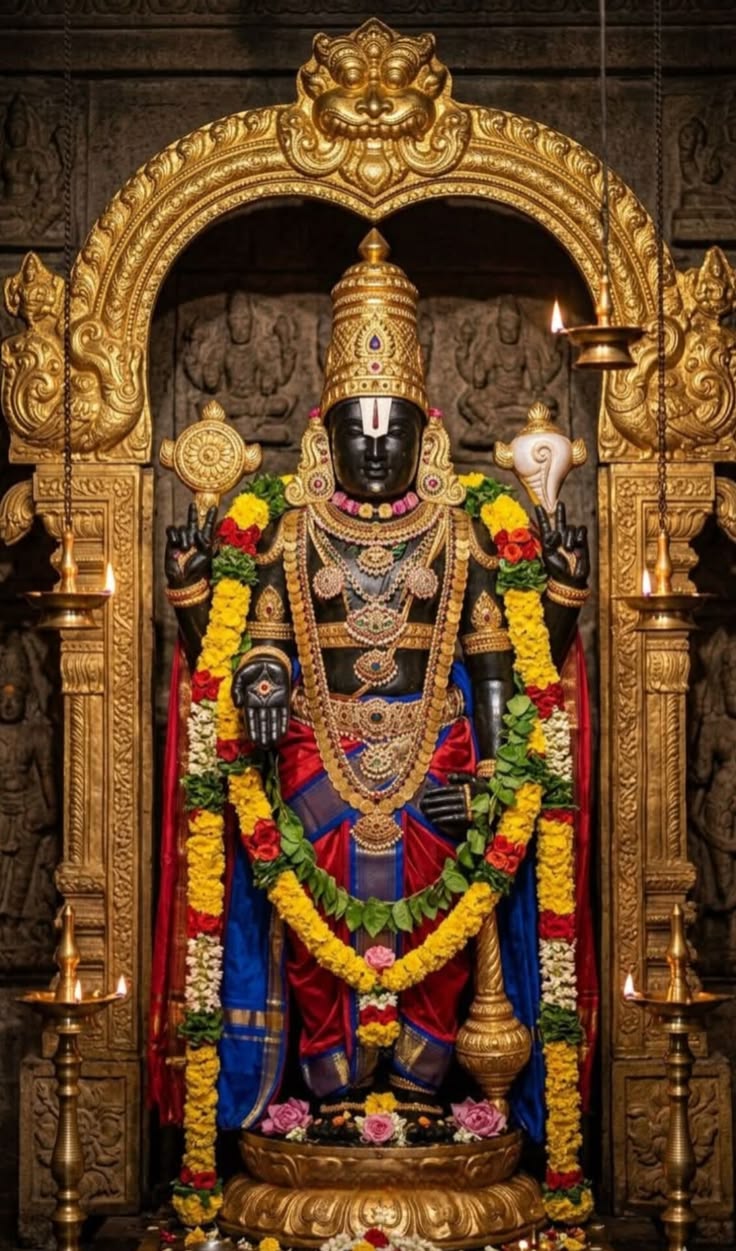
The Seven Hills of Tirumala, known as Saptagiri, form the holy backdrop of Lord Venkateswara's abode, each hill embodying legends, divine energies, and devotional practices cherished by millions.
Legend of the Seven Sacred Hills
According to traditional lore, the seven hills are the very foothills where Lord Vishnu descended to bless his devotees as Venkateswara. Devotees believe that these peaks were formed by the divine footprints of the Lord and his consort Lakshmi, creating a natural sanctuary for worship.
The hills are collectively called Saptagiri, meaning ‘seven mountains,’ and are revered as a single sacred entity that protects the Tirumala shrine. Their presence symbolizes the ascent of the soul towards the divine.
Names and Unique Features of Each Hill
1. **Venkata** – The central hill where the main sanctum (Ananda Nilayam) stands, representing the heart of devotion.
2. **Anjanadri** – Associated with the birthplace of Hanuman, devotees often chant Hanuman Chalisa here.
3. **Neeladri** – Known for its cool breezes, it is linked to the blue hue of Lord Vishnu's aura.
4. **Madhumala** – Said to be covered with fragrant honey‑laden flowers, inspiring sweet devotion.
5. **Papadri** – Believed to cleanse sins, pilgrims walk its paths seeking spiritual purification.
6. **Seshadri** – Named after the serpent Shesha, it reminds devotees of the Lord’s eternal support.
7. **Narayanadri** – The final hill, embodying the all‑pervading aspect of Narayana, the preserver.
Each hill has a small shrine or a sacred spot where specific rituals are performed, reinforcing the connection between geography and theology.
Spiritual Practices Linked to the Seven Hills
Devotees often undertake the *Saptagiri Parikrama*, a circumambulation that takes them around all seven peaks, chanting the *Sri Venkateswara Suprabhatam* and offering *Tulasi* leaves at each shrine. This practice is believed to amplify blessings and remove obstacles.
Special observances such as *Brahmotsavam* include processions that pause at each hill, allowing the deity’s presence to be felt across the entire range. Many also perform *Abhishekam* (sacred bathing) of the small idols placed on the hills, using water from the holy *Swami Pushkarini*.
Visiting the Hills: Devotee Experience
Walking the gentle slopes of Saptagiri offers a meditative journey. The pathways are lined with fragrant trees, and the sound of temple bells creates a rhythmic backdrop for contemplation.
Pilgrims often pause at designated *Namam* spots to apply *Thiruman* (sacred ash) on their foreheads, marking their devotion. The panoramic view from the top of Narayanadri provides a visual reminder of the vastness of divine grace.
- The Seven Hills (Saptagiri) are integral to Tirumala’s spiritual geography.
- Each hill carries a distinct legend and devotional focus.
- Parikrama and hill‑specific rituals deepen the pilgrim’s connection to Lord Venkateswara.
What is the significance of Saptagiri in Tirumala worship?
Saptagiri represents the divine abode surrounding the main sanctum, embodying the Lord’s protective presence and providing distinct sites for specific prayers and rituals.
How can a devotee perform the Saptagiri Parikrama?
Devotees walk clockwise around all seven hills, chanting mantras such as the Suprabhatam, offering Tulasi leaves at each shrine, and optionally reciting the name of each hill aloud.
Are there any special times to visit the hills?
Early mornings and during major festivals like Brahmotsavam are considered especially auspicious, as the hills are bathed in gentle light and the atmosphere is filled with devotional chants.
May the blessings of the Seven Sacred Hills guide your heart towards peace and devotion. Om Namo Venkatesaya.
Recommended for you
Puja Samagri Kit
Amazon IndiaAmazon UKAmazon USAs an Amazon Associate I earn from qualifying purchases. Prices and availability may vary.
Darshan timings, tickets and announcements change often. Please check the official Tirumala Tirupati Devasthanams website, tirumala.org, before you travel. This is an independent devotional blog and is not affiliated with TTD.
© 2026 Original content written for this blog. Please do not copy or republish it without permission.

No comments:
Post a Comment